Cumin
Discover the natural plants and herbs used in our products
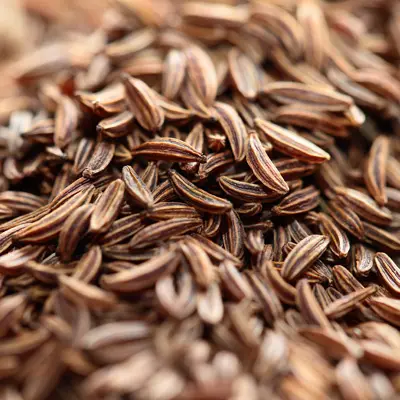
Cumin
Cumin is a widely used spice with a long history and many health benefits, offering unique flavor and natural wellness support in everyday cooking
Benefits & Properties
Common Name: Cumin, Green Cumin, Jeera
Scientific Name: Cuminum cyminum L.
History and Origin
Cumin is known among people since ancient times. It’s originated from Iran and the Mediterranean region. It was also known to Greek and Roman people while being used in Morocco, too. However, cumin, during the Middle Ages, has lost its popularity in Europe except in Spain. Spanish migrants have brought cumin to America. Then, again cumin became popular in some parts of Europe. Nowadays, it’s being cultivated in Iran, Uzbekistan, Tajikistan, Morocco, Egypt, India, Syria, Mexico, and Chile.
Cumin Health Benefits
1. Increasing Antioxidant Activity
Cumin (oils and aqueous and solvent derived extracts) is revealed to be an anti-oxidant according to many researches. Its high antioxidant activity is attributed to monoterpene, linalool, Carvacrol, anethole and estragole alcohols, flavonoids and polyphenols. The main medicinal property of green cumin is that it is an anti-free radical.
2. Anti-Microbial
Studies have shown that green cumin (oils and aqueous and solvent derived extracts) has the potential anti-microbial activity. Its anti-microbial effects are assessed with respect to useful bacterial strains as well as gram-positive and gram-negative pathogenic bacteria. A study has shown that cumin alcoholic extract and oil stop the growth of Klebsiella pneumoniae and its clinical isolates, improve cell morphology. According to the researchers, this effect is related to limnonene, eugenol, -pinene and some other minor constituents in cumin.
3. Promoting Weight Loss
Prenylflavonoids in cumin and preservation of β-cell integrity of the pancreatic islets as a result of cumin intake might mediate its beneficial effects on weight and improved metabolic profiles. however, the exact mechanisms by which cumin supplementation might affect weight and BMI are unknown. It may be associated with insulin-like growth factors (IGFs) and their binding proteins, as they have been shown to be differentially influenced by energy restriction and weight loss.
In a study published in the Journal of Complementary Therapies in Clinical Practice, two overweight/obese women groups were given weight loss diets. Cumin powder (3 g/d) with yogurt at two meals for 3 months was added only in the second group diet plan. The results have shown that the second group was observed to have significant weight loss and body lipid reduction, body mass index decrease and waist circumference decrease compared to the first group.
4. Improving Digestive System Function
The bio-aromatic compound of its essential oil called Cuminaldehyde, activates salivary glands, accelerating initial digestion of food. Thymol in cumin activates glands which secrete acid, bile, and digestive enzyme, due to its stimulating properties. According to the researchers, cumin extracts increases amylase, protease, lipase and phytase activity. Earlier studies have shown that spices have active principles, which stimulate bile flow and increase bile acids that are effective in digestion process. Cumin improves digestion as it contains essential oils, magnesium and sodium. It also relieves stomachache if used with hot water.
5. Anti-cancer
Monoterpenes like anethofuran, carvone, and limonene occurring in cumin oil have specifically been highlighted for anticarcinogenic action. A study published in the Journal of Medicinal Food has shown that nutritional supplements of green cumin prevent from large intestine or colon cancer (infused with a specific intestine carcinogen called 1,2-dimethylhydrazine (DMH) in rats. Cumin-treated mice have no cancer tumor. In this study, cumin has revealed a protective effect for intestine, reducing beta-glucuronidase and mucinase activity. Beta-glucuronidase is a type of enzyme which hydrolyzes glucuronide links and releases toxicants, while mucinase enhances hydrolysis of protective mucines in intestine.
6. Regulating Blood Glucose Levels
Green cumin methanol extract reduces blood glucose and inhibites glycosylated hemoglobin, creatinine and blood urea nitrogen, but enhances blood serum glycogen (liver and skeletal muscle) and insulin of diabetic rats. Cumin aldehyde is the biologically active compound of cumin seed oil which inhibits aldose reductase and α-Glucosidase activity, eliminating the negative effects of diabetes.
7. Strengthening Bones and Joints
Cumin reduces the risk of Osteoporosis as it contains herbal estrogens (phytoestrogens). The animals treated with cumin methanol extract has shown a significant decrease in calcium level in urine, resulting in increasing calcium level in body and mechanical strength of bones. According to the researches, animals treated with cumin have shown higher bone density.
8. Regulating Blood Cholesterol Levels
Cumin lowers body lipids. A study published in the Journal of Contemporary Therapies in Clinical Practice has shown that cumin reduces serum levels of fasting cholesterol, triglyceride, and LDL and increased HDL. Saponins (glycoside substances) in cumin are responsible for cholesterol reduction as they prevent from cholesterol absorption but allow cholesterol defecation. Cumin is further consisted of antioxidants and phytosterols. Phytosterols inhibit the absorption of harmful cholesterol in the digestive tract, which could be one explanation for their weight-reducing effect.
What Are Cumin Side Effects?
1. Pregnancy and breast-feeding: There is not enough reliable information about the safety of taking cumin if you are pregnant or breast-feeding. Stay on the safe side and avoid use.
2. Bleeding disorders: Cumin might slow blood clotting. In theory, cumin might make bleeding disorders worse.
3. Diabetes: Cumin might lower blood sugar levels in some people. Watch for signs of low blood sugar (hypoglycemia) and monitor your blood sugar carefully if you have diabetes and use cumin.
4. Surgery: Cumin might lower blood sugar levels. Some experts worry that it might interfere with blood sugar control during and after surgery. Stop using cumin at least 2 weeks before a scheduled surgery.
Generally, every person may be allergic to certain herbs and spices. This sensitivity must be first diagnosed by the person and secondarily by the physician. However, these allergic reactions do not cause chronic or acute side effects, and after identifying the allergenic plant and removing it from the diet, allergy-related complications will be eliminated. No company or product can be aware of the allergic reactions of different bodies in advance. The body's incompatibility with one or more specific herbs rarely occurs, but consumers may encounter it anyway.
Cumin Daily Dosage
The average dose is 300 to 600 mg, which is equivalent to 5 to 10 fruits per day.
Bioactive Compounds
The major components of its volatile oil include cuminaldehyde, gamma-terpenes, beta-pinenes, p-cymene and 1, 3-p-menthandial. The major components of its fatty acids include petroselic acid and palmitic acid. Petroselic acid and palmitic acid are its major fatty acids.
Best Time to Consume
1-2 hours before or after meals.
Possible Drug Interactions
Antidiabetes drugs: Cumin might decrease blood sugar and Taking it along with diabetes medications might cause your blood sugar to go too low. Some medications used for diabetes include glimepiride (Amaryl), glyburide, insulin, pioglitazone (Actos), rosiglitazone (Avandia), chlorpropamide (Diabinese), glipizide (Glucotrol) and tolbutamide (Orinase).
Traditional Use
Cumin has an estrogen effect, blocking platelets formation. In Indian medicine, green cumin has been used in treatment of kidney stone, bladder stone, diarrhea, leprosy and abortion.