Maidenhair
Discover the natural plants and herbs used in our products
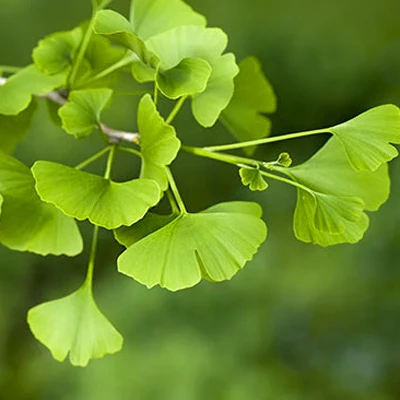
Maidenhair
Maidenhair fern is a delicate herb known for its antioxidant properties and traditional use in hair and respiratory health
Benefits & Properties
Common Name: Maidenhair
Scientific Name: Adiantum capillus-veneris
History
Maidenhair (Adiantum capillus-veneris) has very delicate and tall fronds and fine and claw-shaped leaves. Its name which means “Venus hair” is derived from two Latin words “capillus” meaning “hair” and “veneris” meaning “Venus (Roman goddess)”. This plant is native to North and South America, Europe, Australia, Asia, Africa, China and Japan.
Health Benefits
1. Improving Digestive System Function
Studies have shown that flavonoids in Adiantum capillus-veneris activate K+ channels or black Ca++ mechanism, having anti-diarrhea and anti-colic effects. It also shows the same effect of Loperamide when 300 and 500 mg/kg dosage is used. When potassium channel is opened and calcium channel is closed, intestine smooth muscles are relieved. This is possible when free calcium ions are decreased inside the cells. Therefore, this plant can have a positive effect on treatment of digestion disorders. It also reduces stomach reflux through inhibitory effect on gastric acid secretion, oxidative stress and calcium transfer.
2. Regulating Blood Cholesterol Levels
In a research, the effects of Adiantum capillus-veneris on mice has been investigated, showing that this plant extract significantly lowers LDL and VLDL cholesterol within 10 weeks. This plant extract has no negative effect on HDL cholesterol. Rutin and Naringin flavonoids reduce VLDL cholesterol and triglyceride. The results have been published in the Journal of Revue Roumaine de Chimie in 2015, indicating that phytochemicals of this plant inhibit reductase HMG-CoA enzyme, lowering body cholesterol.
3. Regulating Blood Glucose Levels
A study investigating the effects of this plant on laboratory mice when using different dosage was published in the International Journal of Pharmaceutical and Clinical Researches in 2015 and showed that tannin and flavonoid in this plant prevent from increasing blood sugar (anti-hyperglycemia), reducing the risk of diabetes.
4. Anti-Inflammatory
According to a study on laboratory mice, Triterpenoid taken from this plant’s leaves (30 normethyl fernen-22-one and α-hydroxyfilican-3-one 4) has an anti-inflammatory activity. It can control inflammation up 33.07% and 42.03% compared to the anti-inflammatory effect of indomethacin which can control up to 60%. The plant ethanol extract is anti-inflammatory as it blocks oxide nitric distribution.
5. Improving Liver Function
Naringin flavonoid in this plant enhances liver catalase enzyme and superoxide dismutase. This plant also contains substances which detoxify the liver.
Bioactive Compounds
Triterpenoids, Flavonoids, Phenylpropanoids, Alicyclic Compounds and Carotenoids.
Traditional Use
According to the Iran traditional medicine, Adiantum capillus-veneris has a moderate nature which is used for treatment of coughing, cold, bronchitis and Rhinitis. This plant reduces chest mucus, while it is diuretic and anti-fever. It also treats diarrhea and jaundice and improves liver and spleen function.