Blueberry
Discover the natural plants and herbs used in our products
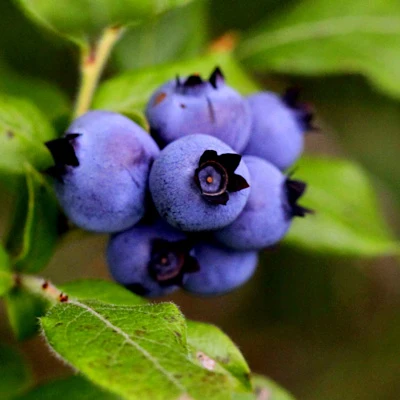
Blueberry
Blueberry is native to the USA and Southern Canada, naturally growing in hilly and woodland regions. Rich in antioxidants and vitamins, it supports heart health, boosts the immune system, and improves brain function.
Benefits & Properties
Common Name: Blueberry, Highbush Blueberry
Scientific Name: Vaccinium corymbosum L.
History and Origin
Blueberry belongs to the family Ericaceae. This plant is native to the USA and Southern Canada, growing wild in hilly and woodland regions. The shrubs are medium-sized and bear clusters of dark blue to purple fruit. The USA is the pioneer producer of blubbery. However, the cultivation has now proliferated to Europe, Asia, Africa, and Australia.
The three prominent varieties of the plant are highbush (V. corymbosum, V. ashei), lowbush (V. angustifolium), and evergreen (V. darrowii). (1)
Highbush blueberry is one of the most commercially significant berry crops. European cultivation of highbush blueberry began after 1920, in the Netherlands. In the following years, cultivation spread to Poland and Germany. Production of this crop is on its rise due to the increasing consumer demand for healthy food like the antioxidant-rich blueberry.
Today, European highbush blueberry production is mainly concentrated in Germany, Poland, France, the Netherlands, Lithuania, Romania, Italy, and Spain. (2)
Blueberry Plant Structure
Highbush blueberry is a crown-forming shrub with 6 to 12 feet tall. The common name refers to the relatively tall stature of these plants. Twigs are yellow-green (reddish in winter), which are covered with small wart-like dots. Leaves are deciduous, alternate, simple, elliptic or ovate, 2.5 to 8.5 cm long, and slightly waxy above with pubescence (hairs) at least on the veins beneath. The white or pink-tinged flowers are small and urn-shaped with 5 petals. Fruiting occurs about 62 days after flowering. Fruits are blue-black berries with many seeds. (3)
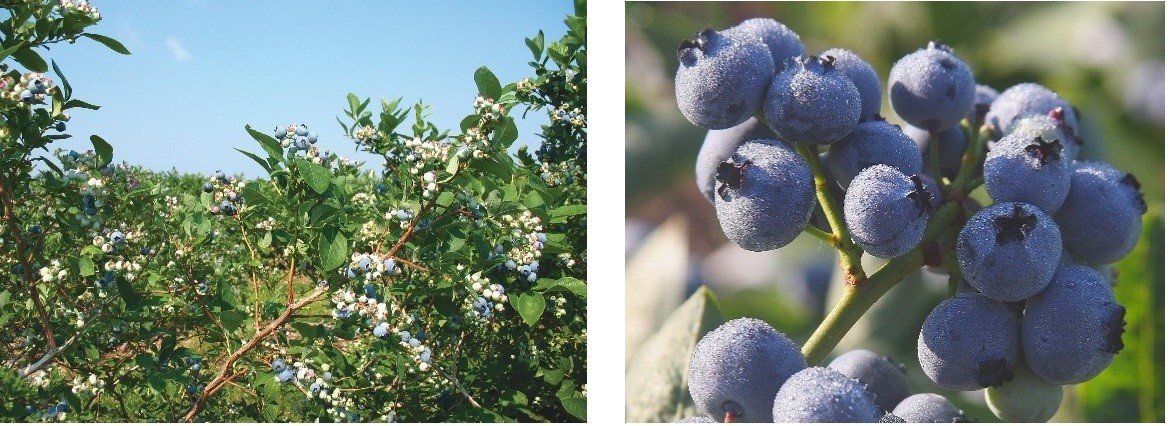
The photo of Vaccinium corymbosum The photo of blueberry fruits
Blueberry Health Benefits
What Are Blueberry Side Effects?
1.Pregnancy and Breast-feeding
Blueberry fruit is LIKELY SAFE when used in amounts commonly found in foods. But not enough is known about the safety of the larger amounts used for medicine.
So, stay on the safe side and stick to normal food amounts if you are pregnant or breast-feeding.
2. Diabetes
Blueberry may reduce blood sugar levels in people with diabetes. It is important to look for any sign of low blood sugar (hypoglycemia) and monitor your blood sugar level closely if you have diabetes. The dose of your diabetes medications may need to be adjusted by your healthcare provider.
3. Surgery
Blueberry can affect blood glucose levels and can interfere with blood sugar control during and after surgery.
So, stop consuming blueberry at least 2 weeks before a scheduled surgery. (18)
Nutritional Information
The berries are known to be a nutrient storehouse with plentiful fibers, tannins, vitamins (like vitamin C, ascorbic acid, thiamin, riboflavin, Niacin, pantothenic acid, pyridoxine, folic acid, retinol, tocopherol), ellagic acid, omega-3 fatty acids, anthocyanins, proanthocyanidins, and minerals (calcium, copper, iron, magnesium, manganese, phosphorus, potassium, selenium, sodium, zinc). (1)
Blueberry Daily Dosage
The appropriate daily intake of blueberry depends on some factors, such as the user's age, health, and several other conditions. There is not adequate scientific information to determine an appropriate range of doses for blueberry.
Keep in mind that natural products are not necessarily safe, and dosages can be important. Make sure to follow relevant directions on product labels and consult your pharmacist or physician or other healthcare professional before using. (18)
Bioactive Compounds
Blueberry polyphenolic compounds include both flavonoid and nonflavonoid types. Anthocyanin flavonoids account for up to 60% of the total polyphenolics in ripe blueberries. Other classes of flavonoids found in blueberries include proanthocyanidins and flavonols. Abundant nonflavonoid polyphenolic compounds in blueberries are the hydroxycinnamic acid esters (especially chlorogenic acid). (19)
Best Time to Consume
2 hours before or after meals.
Possible Drug Interactions
Antidiabetes drugs
Blueberry leaves can reduce blood sugar levels. Diabetes medications are also used to lower blood sugar. Therefore, taking blueberry leaves along with diabetes medications may significantly lower your blood sugar.
Monitor your blood sugar closely. The dose of your diabetes medication may need to be changed.
Several medications used for diabetes include glyburide (DiaBeta, Glynase PresTab, and Micronase), glimepiride (Amaryl), pioglitazone (Actos), insulin, chlorpropamide (Diabinese), glipizide (Glucotrol), rosiglitazone (Avandia), and tolbutamide (Orinase). (18)
Traditional Use
Blueberry possesses anti-diabetic activity. It has been used as a traditional medicine for the treatment of diabetic symptoms such as increased appetite or excessive hunger, increased thirst, and frequent urination. (20)
Some Questions about Blueberry
References
1. https://www.researchgate.net/
2. https://www.researchgate.net/
4. http://www.healthymuslim.com/
6. https://www.sciencedaily.com/
7. https://www.researchgate.net/
8. http://www.naturalnews.com/
9. https://www.ncbi.nlm.nih.gov/
10. https://www.researchgate.net/
11. https://www.healthline.com/
13. https://www.ncbi.nlm.nih.gov/
14. https://www.ncbi.nlm.nih.gov/
15. https://www.naturalnews.com/
17. https://www.researchgate.net/
20. https://www.ayurtimes.com/
21. https://www.benefitsofblueberry.com/
23. https://www.benefitsofblueberry.com/
24. https://pdfs.semanticscholar.org/
25. https://www.ncbi.nlm.nih.gov/
26. https://www.ncbi.nlm.nih.gov/