Cinnamon
Discover the natural plants and herbs used in our products
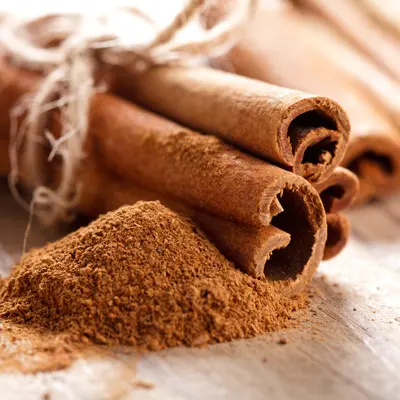
Cinnamon
Cinnamon is a spice made from the fragrant bark of a tropical tree in the Lauraceae family. It has a warm sweet taste and is available in powder and stick form.
Benefits & Properties
Common Name: Cinnamon
Scientific Name: Cinnamomum verum
History and Origin
For thousands of years, human have used cinnamon and its shrub shells for spice. Document shows this plant has been used since ancient times, and Arab merchants have imported it into Europe. Arab merchants transferred Cinnamon from ground routes to Alexandria harbor in Egypt, that it was purchased by Venetian merchants (business of cinnamon was their disposal in Europe). Arabs for about 3000 years have disposal of business pulse of spice such as cinnamon (from 1500BC to 1500AD). And was the most important of spice imports center to Europe.
Cinnamon Health Benefits
1. Boosting Immune System
Researches showed that cinnamon is rich in antioxidant polyphenols and proanthocyanidins. Anti-bacterial and antiviruses of cinnamon essential oils help improvement of immune system. In a research the effect of cinnamon extract was investigated on laboratory mice. Cinnamon bark extract has been used in 10 mg/kg and 100 mg/kg doses. The results showed that dose of 10 mg/kg just increased serum level of immunoglobulin while 100 mg/kg dose decreased mortality of Pasteurella multocide (gram-negative bacteria) to 17%. These results also increased the phagocytic index, neutrophil adhesion and immunoglobulin serum level and antibody titer values.
2. Anti-Inflammatory
Researches showed anti-inflammation property of cinnamon is due to its Cinnamaldehyde presence. Cinnamaldehyde inhibits nuclear factor-κB activation in immune cells. Researches show cinnamaldehyde, Eugenol and Terpenic ingredients of cinnamon are painkiller and relaxant. Eugenol inhibits Arachidonic acid metabolism and Histamine releasing and finally inflammation. Terpenic ingredients are also inhibitor of Arachidonic acid metabolism and Nitric oxide synthase enzyme. cinnamon and its ingredients can affect central nerves system and reduce the pain. Researches show that compounds of cinnamon have inhibitory property of Nitric oxide synthesis enzyme and by NO (Nitric Oxide) releasing that is a known mediator of pain, causes inhibition of acute and chronic pains.
3. Regulating Blood Glucose Levels
Researches have shown that cinnamon inhibits different digestive enzymes as Alpha glucosidase, Sucrase and pancreas Amylase. Cinnamon reduces entrance of glucose to blood flow by inhibition of these enzymes and prevents excessive secretion of insulin. Methylhydroxychalcone polymer (MHCP) in cinnamon has anti diabetics effects and acts with imitation of insulin act on lipid cells. Cinnamon effect on absorption of Glucose and Glycogen depends on dosage. Human researches show after the use of cinnamon blood glucose level will reduce that sometimes affects markers of lipid metabolism (LDL, Triglycerides, Total cholesterol).
The research was published in Diabetes Care journal in 2006, based on this research, the use of different doses (1,3 and 6 grams) of cinnamon for 40 days improved fasting blood glucose level and also blood lipid in diabetic people of type-2. Another research was done by Le et al. in 2012, in this research to 66 type-2 diabetic persons were fed, 120 milligrams or 360 milligrams of cinnamon extract associated with Sulphonylureas (orally drug for diabetes) for 3 months. Results indicated that Both HbA1c level and fasting blood glucose levels significantly reduced in a group that received cinnamon, researches findings define that the use of cinnamon is effective in blood glucose control in people with type-2 diabetes.
Based on published findings in clinical researches journal, the use of cinnamon to 6 grams in a day reduces serum glucose, Triglyceride, LDL cholesterol and total cholesterol in people with type-2 diabetes.
4. Boosting Libido
In a research the effect of cinnamon extract was investigated on reproductive physiology in small laboratory male mice. Hydroalcoholic extract of cinnamon in different doses (50, 100, 200 and 400 MG per one KG body weight in 48 hours) prepared and injected to cured group with inside traits method for 20 days. The results showed the amount of primary Spermatocytes and Spermatocytes in 100, 200 and 400 mg/kg doses had a significant difference to another group. Also density of LH and FSH hormones increased with increasing injection dose and the highest increase was in 200 and 400g/kg doses. Findings of this research are indicative of the positive effect of cinnamon extract on male reproduction system, due to significant increase in number of sexual cells and secretion of FSH hormone.
In the Biology Department of University of Baghdad, a study was done and the effect of cinnamon on fertility of male rats was experimented. The results of this study indicated that the use of 0.1 ML of aqueous extract of cinnamon bark daily for 30 days, significantly increases movement and concentration of sperms as its concentration of 2.1 × 10 6 / ML in control group increases to 3.4 × 10 6 /ML in treated mice. Also percent of live sperms increased from 89.2% in control groups to 94.4% in treated male mice. Based on the results of this study, daily use of cinnamon liquid extract for 30 days improved sperms quality and reproduction function in mice.
5. Regulating Blood Pressure
A published research in Journal of the American College of Nutrition in 2006 indicated that cinnamon helps to reduction of blood pressure in diabetic people and systolic blood pressure in people without diabetes. Though the reason for this occurring is not clear, it does seem that cinnamon reduces the amount of circulating insulin. Based on this research, daily consumption of half of tea spoon of cinnamon helps to reduce blood pressure level.
In a clinical trial on 58 persons with type-2 diabetes showed that daily use of 2g of cinnamon reduces high blood pressure and blood sugar levels. The other research in 2006 indicated cinnamon reduces blood pressure of mice with high blood pressure. A clinical study in Toronto University between 2000 to 2012 showed short term use of cinnamon reduces Systolic blood pressure to 5 mmHg and Diastolic blood pressure averagely 2.6 mmHg. Another research showed that daily use of 1200 MG cinnamon in 59 people with type-2 diabetes after 12 weeks reduces Systolic blood pressure to 3.4 mmHg on average.
6. Anti-cancer
A research showed that cinnamon Cinnamaldehyde has anticancer property. Based on the results of this research the different doses of cinnamon can change growth of cervical cancer cells.
Cinnamon antioxidants protect body against DNA injury, cell mutation and growth of cancer tumors. Based on the results of these researches, cinnamaldehyde can inhibit tumor growth and protect DNA against damage while also killing off cancer cells.
7. Anti-Pain
A research showed that cinnamon Cinnamaldehyde has anticancer property. Based on the results of this research the different doses of cinnamon can change growth of cervical cancer cells.
Cinnamon antioxidants protect body against DNA injury, cell mutation and growth of cancer tumors. Based on the results of these researches, cinnamaldehyde can inhibit tumor growth and protect DNA against damage while also killing off cancer cells.
What Are Cinnamon Side Effects?
When taken by mouth: No health hazards or side effects are known in conjunction with the proper administration of designated therapeutic dosages. Cinnamon possesses a medium potential for sensitization because of the cinnamaldehyde content.
Pregnancy: Cinnamon is not to be administered to pregnant women.
Diabetes: Cinnamon might lower blood sugar in people with type 2 diabetes. Watch for signs of low blood sugar (hypoglycemia) and monitor your blood sugar carefully if you have diabetes and use cinnamon.
Low blood pressure: Cinnamon might lower blood pressure. Taking cinnamon might cause blood pressure to drop too low in people who already have low blood pressure.
Surgery: Cinnamon can affect blood pressure and blood sugar levels and might interfere with blood pressure and blood sugar control during and after surgery. Stop taking cinnamon at least 2 weeks before a scheduled surgery.
Generally, every person may be allergic to certain herbs and spices. This sensitivity must be first diagnosed by the person and secondarily by the physician. However, these allergic reactions do not cause chronic or acute side effects, and after identifying the allergenic plant and removing it from the diet, allergy-related complications will be eliminated. No company or product can be aware of the allergic reactions of different bodies in advance. The body's incompatibility with one or more specific herbs rarely occurs, but consumers may encounter it anyway.
Cinnamon Daily Dosage
The standard single dose is 0.5 to 1 g of the spice.Daily dosage is 2 to 4 g.
To prepare a tea, pour hot water over 0.5 to 1 g cinnamon bark and strain after 10 minutes. One cup of tea/infusion is taken 2 to3 times daily.
Bioactive Compounds
Cinnamon bark has 0.5-2.5% essential oil, including more than 50 different compounds that 65-80% of it inclouds cinnamaldehyde. Other constituents of this plant include cinnamic acid, phenolic compounds (such as eugenol, phellandrene, Safrul), terpene compounds (such as limonene and linalool), trans-cinnamaldehyde, tannin, coumarin, resin, phenyl propany compounds such as hydroxy cinnamaldehyde, cinnamon sweet flavor is due to the mannitol.
Best Time to Consume
1-2 hours before or after meals.
Possible Drug Interactions
Antidiabetes drugs: Cinnamon bark might decrease blood sugar. Diabetes medications are also used to lower blood sugar. Taking cinnamon bark along with diabetes medications might cause your blood sugar to go too low. Some medications used for diabetes include glimepiride (Amaryl), glyburide, insulin, pioglitazone (Actos), rosiglitazone (Avandia), chlorpropamide (Diabinese), glipizide (Glucotrol) and tolbutamide (Orinase).
Traditional Use
In ancient China cinnamon was used to improve joint pains and respiratory failure. Loghman Hakim prescribed this plant for gastrointestinal diseases. Cinnamon has a warm and dry nature and is anti-flatulence, carminative, appetite stimulant, stomach enhancing, disinfectant, and relief of ear pain, anti-swollen, anti-coughing and curing ague and hemorrhoids and kidney swelling. It is used to cure headache, tooth pain, pussy mouth, hiccups, bladder infection, colds and flu, rheumatism and inflammation of the joints, restoring the wound, eliminating spot. Cinnamon is a general stimulant for body and accelerates blood flow and stimulates breathing. This plant is jolly. Furthermore, it is anti-anxiety and it is also used to cure insanity.