Sage
Discover the natural plants and herbs used in our products
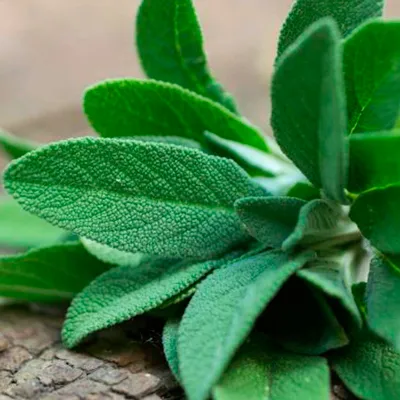
Sage
The generic name of sage “Salvia” means “to cure”, and the species name “officinalis” means “medicinal”. So, it is clear that sage has a historical reputation of promoting health and treating ailments
Benefits & Properties
Common Name: Sage, Garden Sage, Common Sage
Scientific Name: Salvia officinalis L.
History and Origin
Sage or garden sage is a plant in the mint family Lamiaceae and genus Salvia. (Salvia is the largest genus of the Lamiaceae family, (1) containing around 700 to 900 species of shrubs, herbaceous perennials, and annuals. (2))
Garden sage is native to the Mediterranean region, though it has naturalized in many places throughout the world. (3) The generic name “Salvia” means “to cure”, and the species name “officinalis” means “medicinal”. So, it is clear that sage has a historical reputation of promoting health and treating ailments (4), and it has a long history of medicinal and culinary use. (3) It also finds a special place in today's foods (2), and it is widely used as a flavor ingredient in baked goods, meat and meat products, condiments and relishes, processed vegetables, soups, gravies, fats and oils, and others. (5)
The medicinal parts are the fresh leaves and the fresh flowering aerial parts, the dried leaves, and the oils extracted from the flowers and stems. (6)
Sage Plant Structure
Sage or garden sage is a perennial, evergreen shrub (3) that gets up to 60 cm tall. (2) The stems of this aromatic and medicinal plant are woody, (3) erect, square, multibranched, with hairy green branches. (7)
The leaves are thick, gray-green, oval (2), aromatic, tangy, bitterly astringent (6), petiolate, opposite, simple, elongated, and have rugose surfaces (7) with white hairs on the lower leaf surface and greenish or greenish-grey on the upper surface. (1)
The flowers are blue, lilac or white, and borne in racemes. The seeds are dark brown, oval, and very small. (2)
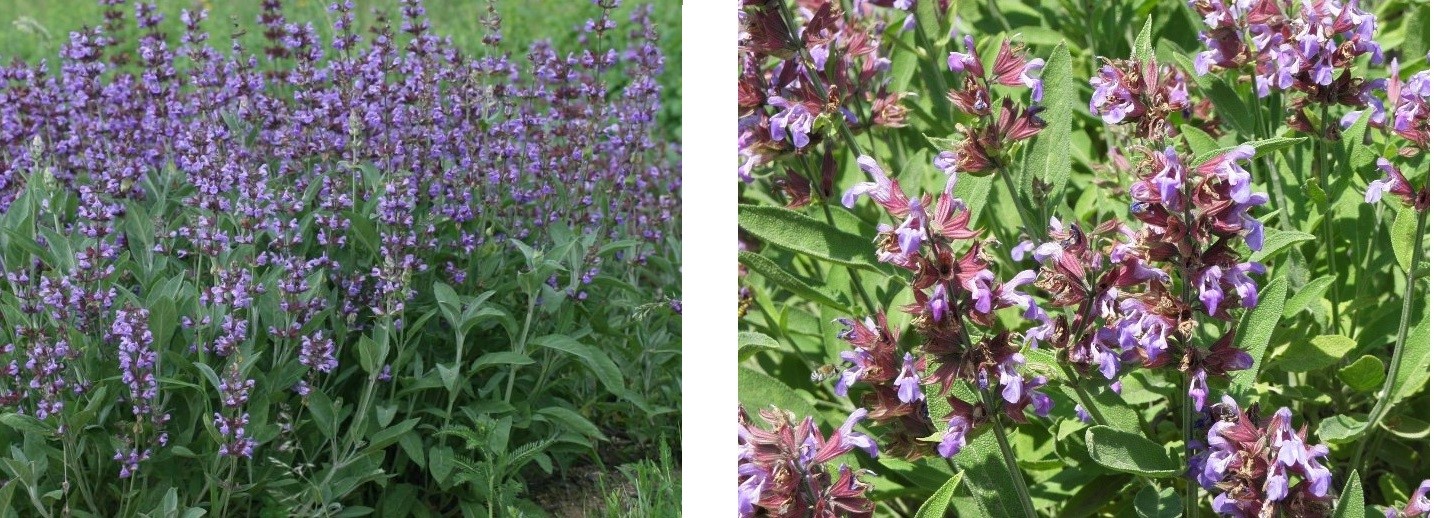
Fig. 1 The photo of Salvia officinalis Fig. 2 The photo of sage flowers and leaves
Sage Health Benefits
What Are Sage Side Effects?
1. When Taken by Mouth: Sage is LIKELY SAFE in amounts typically used in foods. It is POSSIBLY SAFE when taken by mouth in medicinal amounts for up to 4 months. But it is POSSIBLY UNSAFE when taken by mouth in high doses or for a long time. Sage (Salvia officinalis) contains a chemical called thujone, which can be poisonous if you take too much and can cause seizures and damage the liver and nervous system. The amount of thujone varies with the species of sage, the time of harvest, growing conditions, and other factors.
2. When Applied to the Skin: Sage is POSSIBLY SAFE when applied to the skin for up to one week.
3. When Inhaled: Sage essential oil is POSSIBLY SAFE when inhaled as aromatherapy.
4. Pregnancy and Breast-Feeding: Taking sage during pregnancy is LIKELY UNSAFE because of the possibility of consuming thujone. Thujone can bring on a woman's menstrual period, and this could cause a miscarriage.
Avoid sage if you are breastfeeding too. There is some evidence that thujone might reduce the supply of mother's milk.
5. Diabetes: Sage might lower blood sugar levels in people with diabetes. So, watch for signs of low blood sugar (hypoglycemia) and monitor your blood sugar carefully if you have diabetes. The dose of your diabetes medications may need to be adjusted by your healthcare provider.
6. Hormone-Sensitive Condition such as Breast Cancer, Uterine Cancer, Ovarian Cancer, Endometriosis, or Uterine Fibroids: Sage might have the same effects as the female hormone estrogen. If you have any condition that might be made worse by exposure to estrogen, don't use sage.
7. Low Blood Pressure: Common sage (Salvia officinalis) might lower blood pressure in people with blood pressure that is already low. Be sure to monitor your blood pressure.
8. Seizure Disorders: Common sage (Salvia officinalis) might contain significant amounts of thujone, a chemical that can trigger seizures. So, if you have a seizure disorder, don't take sage in amounts higher than those typically found in food.
9. Surgery: Common sage might affect blood sugar levels. There is a concern that it might interfere with blood sugar control during and after surgery. So, stop using common sage as a medicine at least 2 weeks before a scheduled surgery. (39)
Generally, every person may be allergic to certain herbs and spices. This sensitivity must be first diagnosed by the person and secondarily by the physician. However, these allergic reactions do not cause chronic or acute side effects, and after identifying the allergenic plant and removing it from diet, allergy-related complications will be eliminated.
No company or product can be aware of the allergic reactions of different bodies in advance. The body's incompatibility with one or more specific herbs rarely occurs, but consumers may encounter it anyway.
Nutritional Information
Sage herbal tea contains vitamin C, phenolic compounds such as flavonoids and flavanols, and minerals (such as K, Na, Mg, Ca, and Fe). (40)
Sage Daily Dosage
The average daily internal dose is 4 to 6 g of leaves. (6)
Also, according to a study, consumption of 3 - 6 cups of sage leaves tea (1.5 g /150 ml) per day is safe. (41)
Bioactive Compounds
- Volatile oil: chief constituents include alpha-thujone and beta-thujone, 1,8-cineole, camphor, borneol, isobutyl acetate, camphene, linalool, alpha and beta-pinene, viridiflorol, alpha- and beta-caryophyllene (humulene).
- Caffeic acid derivatives: rosmarinic acid, chlorogenic acid.
- Diterpenes: chief components include carnosolic acid (picrosalvin), rosmanol, safficinolide.
- Flavonoids: including apigenin- and luteolin-7-glucosides, numerous methoxylated aglycones, including genkwanin, genkwanin-6-methyl ether.
- Triterpenes: chief components includes ursolic acid. (6)
Best Time to Consume
1-2 hours before or after meals.
Possible Drug Interactions
1. Medications for Diabetes: Sage might decrease blood sugar. Diabetes medications are also used to lower blood sugar. Taking sage along with diabetes medications might cause your blood sugar to go too low. Monitor your blood sugar closely. The dose of your diabetes medication might need to be changed. Some medications used for diabetes include glimepiride (Amaryl), glyburide (DiaBeta, Glynase PresTab, Micronase), insulin, pioglitazone (Actos), rosiglitazone (Avandia), chlorpropamide (Diabinese), glipizide (Glucotrol), tolbutamide (Orinase), and others.
2. Medications used to Prevent Seizures (Anticonvulsants): Medications used to prevent seizures affect chemicals in the brain. Sage may also affect chemicals in the brain. Therefore, it may decrease the effectiveness of these medications. Some medications used to prevent seizures include phenobarbital, primidone (Mysoline), valproic acid (Depakene), gabapentin (Neurontin), carbamazepine (Tegretol), phenytoin (Dilantin), and others. (39)
3. Sedative Medications (CNS Depressants (39)/ Benzodiazepines (42)): Sage might cause sleepiness and drowsiness. Sedatives cause sleepiness too. So, taking sage along with these medications might cause too much sleepiness. Some sedative medications include clonazepam (Klonopin), lorazepam (Ativan), phenobarbital (Donnatal), zolpidem (Ambien), (39) diazepam (Valium) and others. (42)
4. Anticholinergic Drugs: Common sage might increase levels of certain chemicals that work in the brain, heart, and elsewhere. Anticholinergic drugs can also affect these chemicals. So, sage might decrease the effects of anticholinergic drugs. Some of these anticholinergic drugs include atropine, scopolamine, some medications used for allergies (antihistamines), and some medications used for depression (antidepressants).
5. Various Medications used for Glaucoma, Alzheimer's Disease, and Other Conditions (Cholinergic Drugs): Common sage might increase certain chemicals in the brain, heart, and elsewhere. Some medications used for glaucoma, Alzheimer's disease, and other conditions also affect these chemicals. Taking sage with these medications might increase the chance of side effects. Some of these medications used for glaucoma, Alzheimer's disease, and other conditions include pilocarpine (Pilocar and others), donepezil (Aricept), tacrine (Cognex), and others.
6. Medications for High Blood Pressure (Antihypertensive Drugs): Common sage seems to lower blood pressure. Taking common sage along with medications for high blood pressure might cause your blood pressure to go too low. Some medications for high blood pressure include captopril (Capoten), enalapril (Vasotec), losartan (Cozaar), valsartan (Diovan), diltiazem (Cardizem), Amlodipine (Norvasc), hydrochlorothiazide (HydroDIURIL), furosemide (Lasix), and many others.
7. Medications Changed by the Liver: Some medications are changed and broken down by the liver. Sage might decrease/increase how quickly the liver breaks down some medications. Taking sage along with some of these medications might increase/decrease the effects and side effects of these medications. If you take any medications that are changed by the liver, talk to your healthcare provider before taking sage. (42)
Traditional Use
Sage is one of the oldest medicinal plants; it has been used in folk medicine as medication against fever, rheumatism, perspiration (43) (e.g., night sweats (5)), sexual debility, and in the treatment of chronic bronchitis, as well as mental and nervous (43) (e.g., trembling, depression, and vertigo (5)) diseases.
It is used to stop the flow of milk, dysmenorrhea, diarrhea, gastritis, sore throat, insect bites, and so on, usually in the form of a tea or infusion. Sage has been reported useful for cancer treatment. (5)
In Iranian folk medicine, the leaves of sage are used for their digestive, carminative, antispasmodic, sedative, analgesic, tonic, diuretic effects, and also for treating functional gastrointestinal disorders. (3)
Some Questions about Sage
References
1. https://www.mdpi.com/2223-7747/8/3/55/htm
2. https://www.researchgate.net/
3. https://www.researchgate.net/
4. https://www.mdpi.com/1420-3049/25/24/5826
5. https://naturalingredient.org/
6. PDR for herbal medicines. (2000). 2nd ed. Montvale, NJ: Medical Economics Company
7. https://www.researchgate.net/
8. https://www.ncbi.nlm.nih.gov/
9. https://www.iasj.net/iasj/download/4ee91c5f245ed365
10. https://www.cambridge.org/
11. https://www.ncbi.nlm.nih.gov/pmc/articles/PMC4003706/
12. http://www.journalrip.com/pdf/jrip-2-51.pdf
13. https://www.sciencedirect.com/
15. http://ijmcmed.org/article-1-519-fa.pdf
16. https://www.researchgate.net/
17. https://gut.bmj.com/content/gutjnl/32/11/1355.full.pdf
18. http://www.sciencedirect.com/
19. https://www.jcdr.net/article_fulltext.asp?id=1859
20. https://academic.oup.com/mutage/article/31/1/51/2622767
21. https://www.healthline.com/health/oxidative-stress
22. https://www.researchgate.net/
23. https://pubmed.ncbi.nlm.nih.gov/15050633/
24. https://www.frontiersin.org/
25. https://www.ncbi.nlm.nih.gov/pmc/articles/PMC121384/
26. https://www.researchgate.net/
27. https://pubmed.ncbi.nlm.nih.gov/26032019/
28. https://www.healthline.com/health/bronchospasm
30. https://pubmed.ncbi.nlm.nih.gov/25934446/
31. https://pubmed.ncbi.nlm.nih.gov/12669110/
32. https://www.researchgate.net/
33. http://www.tandfonline.com/
34. https://academicjournals.org/
35. https://www.ncbi.nlm.nih.gov/pmc/articles/PMC5634728/
36. https://www.researchgate.net/
37. https://pubmed.ncbi.nlm.nih.gov/21630133/
41. https://www.ncbi.nlm.nih.gov/pmc/articles/PMC3155476/
42. https://www.rxlist.com/sage/supplements.htm#Interactions
43. https://www.researchgate.net/
44. https://www.banglajol.info/
45. https://www.theguardian.com/
47. https://www.nccih.nih.gov/health/sage