Licorice
Discover the natural plants and herbs used in our products
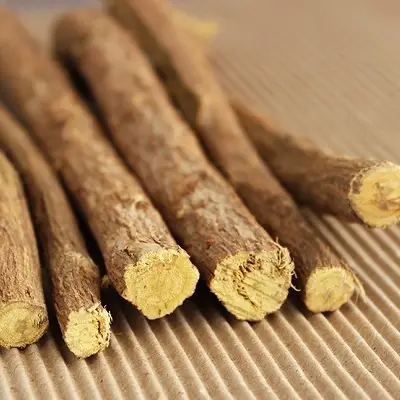
Licorice
Licorice roots have been used worldwide as medicine and flavor in the industry for over 4000 years...
Benefits & Properties
Common Name: Licorice, Common Liquorice
Scientific Name: Glycyrrhiza glabra L.
History and Origin
Licorice is a 1 m tall herbaceous perennial plant and belongs to the Fabaceae family. Its roots have been used worldwide as medicine and flavor in the industry for over 4000 years. We can find medicinal uses of licorice in texts such as Assyrian Herbal (2000 BC) and Ebers Papyrus (1600 BC).
Licorice species are native to the Mediterranean region, central to southern Russia, and Asia Minor to Iran. (3) Various species of licorice are commercially cultivated in Spain, Italy, France, Greece, India, Iran, Iraq, Turkey, Turkmenistan, Uzbekistan, Syria, Afghanistan, Azerbaijan, China, to a limited extent in England and the United States. (4)
The name “Glycyrrhiza glabra” has been obtained from the Grecian words “glykys” and “rhiza”, which respectively mean “sweet” and “root”. The “glabra” name, acquired from the Latino word glaber that implies bare or slick, refers to the smooth husks. (1)
Licorice Plant Structure
Licorice grows where there is enough water available, for example near rivers, or streams in fertile, clay, or sandy soil. (1) It is harvested in the autumn, 2–3 years after being planted, and grows best in subtropical climates, with full sun. (2)
The plant consists of 9–17 leaflets, its long feather-like leaves are 7-15 cm, and its pale whitish blue to purple flowers are 0.8-1.2 cm. The 2-3 cm fruits are long oblong pods which contain several seeds with stoloniferous roots. (1) Licorice root is bright yellow, but the bark on its root is dark reddish. (4) The main medicinal parts of licorice are its rhizomes and roots.
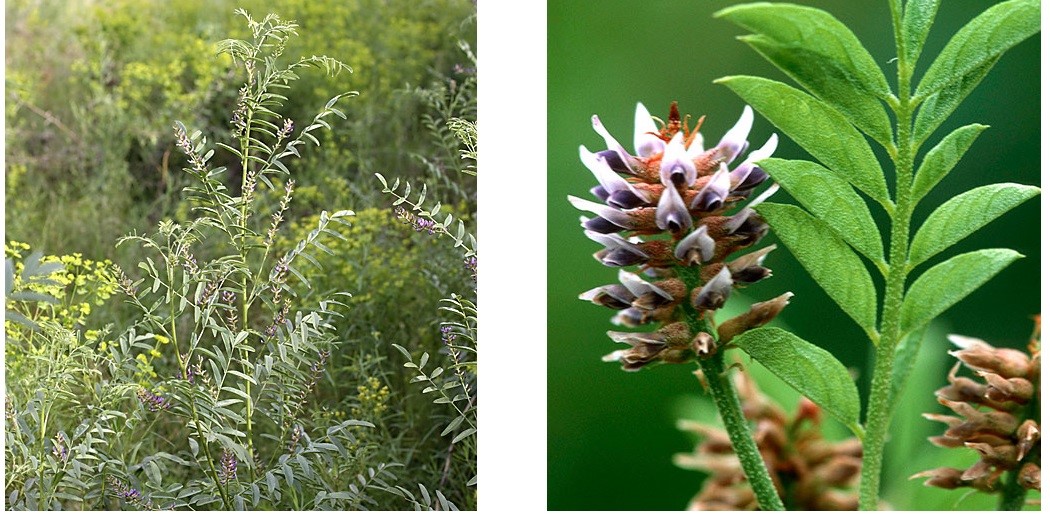
Fig. 1 The photo of Glycyrrhiza glabra L. Fig. 2 The photo of licorice flowers and leaves
Licorice Health Benefits
1. Regulating Blood Cholesterol Levels
Administration of licorice extract to normolipidemic subjects can inhibit LDL oxidation. In 2002, the antiatherogenic effects of licorice root extract were investigated in relatively hypercholesterolemic patients. (5) (Atherogenesis means formation of abnormal fatty or lipid masses in arterial walls.) (6)
In this study, the patients consumed licorice root extract (0.1 g/d) for one month. Then, they consumed placebo for one month. The results showed that licorice consumption:
1) reduced patients' plasma susceptibility to oxidation (by 19%);
2) increased resistance of plasma LDL against three major atherogenic modifications, i.e. oxidation (by 55%), aggregation (by 28%), and retention (by 25%);
3) reduced plasma cholesterol levels (by 5%), which was caused by a 9% reduction in plasma LDL cholesterol levels;
4) reduced plasma triacylglycerol levels (by 14%).
After one month of placebo consumption, these parameters reversed toward baseline levels.
We can conclude that dietary consumption of licorice root extract by hypercholesterolemic patients may act as a moderate hypocholesterolemic nutrient and a potent antioxidant agent. Therefore, it acts against cardiovascular disease. (5)
Moreover, the results of another study revealed that one-month oral administration of licorice root extract to the animals at three different doses (0.2, 0.7, and 1 mg/mL/day) significantly decreased total cholesterol and triglyceride concentration and significantly increased HDL-c concentration.
The remarkable decline in plasma LDL cholesterol in the treated group could be correlated with the saponin content of licorice root. By enhancing the hepatic LDL receptor levels, saponin increases hepatic uptake of LDL cholesterol and helps its catabolism to bile acid. It also lowers triglyceride levels by inhibiting pancreatic lipase activity.
VLDL cholesterol levels also decreased in the treated group. Since VLDL particles are approved to be the main transporters of triglyceride in plasma, we can conclude that decreased VLDL cholesterol is directly correlated to the decline in triglyceride levels.
Thus, a simultaneous decline in both triglyceride and VLDL cholesterol in the treated group indicates:
1. the possible effect of saponin;
2. the effect of phytosterol content of the root on triglyceride metabolism through a decreased absorption of dietary cholesterol. (7)
2. Promoting Weight Loss
In 2003, a preliminary study was done on 15 normal-weight subjects (seven males aged 22-26 years old and eight females aged 21-26). For two months, they consumed 3.5 g/day of a commercial preparation of licorice containing glycyrrhetinic acid. The results showed that body fat mass reduced by 1.2% in men and by 2.8% in women (8) Body mass index (BMI) did not change. (9) The researchers suggested that licorice strong taste, which decreases food intake and appetite, may lead to these positive effects.
However, another clinical trial has not revealed the anti-obesity effect of licorice. According to this study's results, after eight-week consumption of aqueous licorice extract (2 g/day), no changes in BMI and body fat mass in patients with non-alcoholic fatty liver disease were observed.
The discrepancy in findings might be related to differences in individual’s characteristics, study design, dosage and type of licorice supplement, disease background, dietary intake, physical activity level, intervention duration, and genotypes. (10)
3. Regulating Blood Glucose Levels
Diabetes mellitus (DM), or simply diabetes, occurs when the pancreas does not produce enough insulin or when body cells do not respond to the insulin properly.
Insulin injections are necessary for managing type 1 diabetes, but type 2 diabetes may be treated with medications with or without insulin. Insulin and some oral medications can cause low blood sugar. (11)
In 2020, in order to sum up the characteristics, mechanisms, and clinical use of licorice and its active components for treating diabetes mellitus, the researchers did a review study. The results revealed great antidiabetic activities of licorice extracts, five flavonoids, and three triterpenoids isolated from licorice in vivo and in vitro. The antidiabetic activities were done by several mechanisms such as increasing the appetency and sensitivity of insulin receptor site to insulin, enhancing the use of glucose in different tissues and organs, clearing away the free radicals and resist peroxidation, correcting the metabolic disorder of lipid and protein, and improving microcirculation in the body.
It appears that licorice and its metabolites possess a great potential for the treatment of diabetes. mellitus. However, we need a better understanding of their pharmacological mechanisms for evaluating their efficacy and safety. (12)
The results of another study exhibited that using licorice root extract did not affect the blood glucose levels of healthy rats, but it decreased the blood glucose levels of diabetic rats. Therefore, licorice root extract can be probably used as a treatment or as a dietary sweetener for diabetic patients in clinical procedures. (13)
4. Anti-Allergy
When we have allergies, our immune system overreacts to an allergen by producing antibodies called Immunoglobulin E (IgE). These antibodies cause an allergic reaction by traveling to the cells that release chemicals. This allergic reaction usually causes some symptoms in your nose, lungs, throat, or on your skin. (14)
The main licorice components responsible for its antiallergic effects are Glycyrrhizin, liquiritigenin, and 18-β-glycyrrhetinic acid. These components inhibited Immunoglobulin E (IgE) production in ovalbumin-induced asthmatic mice, and consequently, prevented the scratching behavior and passive cutaneous anaphylactic reaction in mice. It can be concluded that we can use these components to treat allergic diseases caused by IgE, such as dermatitis and asthma. (1)
5. Relieving Coughs
Different kinds of cough-relieving medicinal herbal tea (15) (such as licorice (3)) have been used from ancient times. When we use these herbs, mucilage present in them or the secretion produced under the influence of their active substances seems to cover the oral and throat mucosa, which relieves irritability and dry cough. (15)
Licorice has been long used as an antitussive and expectorant agent.
In 2018, a study was conducted to evaluate the activities of 14 major compounds and crude extracts of licorice in mice.
Liquiritin apioside (compound 1), liquiritin (compound 2), and liquiritigenin (compound 3) at 50 mg/kg (intragastric, IG) remarkably decreased cough frequency by 30-78%. The compounds 1-3 revealed potent expectorant activities after a 3-day treatment.
Moreover, water and ethanol extracts of licorice (at 200 mg/kg), which contain large amounts of compounds 1 and 2, decreased cough frequency by 25-59%.
According to these results, liquiritin apioside and liquiritin are the major antitussive and expectorant compounds of licorice. Their antitussive effects depend on both peripheral and central mechanisms. (16)
6. Improving Respiratory Tract Function
Licorice possesses immunomodulatory and anti-asthmatic properties. In 2017, a study was designed to test the effect of licorice on pulmonary fibrosis (PF).
After PF was induced in mice through bleomycin instillation, the researchers assigned the mice into 4 groups, and for 20 days:
Group 1 (positive control): received bleomycin;
Group 2: received phosphate-buffered saline;
Groups 3 and 4: received 300 mg/kg of aqueous and ethanolic extracts of licorice root, respectively.
Bleomycin caused tissue-degenerative changes, collagen deposition, and overexpression of the genes in the lung tissues. In the third group, the weight gain was higher, and tissue-degenerative changes, collagen deposition, and the expressions of the genes were lower than the first group. The researchers did not observe the same results in the fourth group. Accordingly, the aqueous extract of licorice root alleviated the severity of PF. (17)
In 2019, a study was done to investigate the safety of licorice extract in asthmatic patients. The researchers divided 80 asthmatic patients into two groups of (1) Placebo, who received starch capsules (500 mg starch) twice a day, and (2) active treatment group, who received aqueous licorice extract capsules (500 mg equivalent to 100 mg glycyrrhizin) twice a day.
After four weeks, the safety of licorice was assessed by measuring blood pressure and serum potassium level. The second group showed no significant changes in blood pressure (systolic and Diastolic) or serum potassium level. Therefore, the researchers concluded that this dose of licorice is safe with no observed side effects. (18)
7. Alleviating Peptic Ulcer Disease
Helicobacter pylori causes gastritis and peptic ulcer disease. Eradication of these bacteria is too hard and often demands many expensive antibiotic regimens with substantial side effects.
Licorice is a traditional drug commonly used for gastric discomforts in Iran.
In 2007, a study was conducted to investigate the susceptibility of H. pylori to licorice extract.
- The researchers isolated one hundred and eighty clinical H. pylori strains. Moreover, for comparison and control, Staphylococcus aureus, Escherichia coli, and Pseudomonas aeruginosa were included in this study.
- They used agar dilution method to test the susceptibility of clinical isolates of H. pylori to licorice extract at different concentrations (25, 50, 100, 150, 200, 300, and 400 mg/ml).
Licorice extract inhibited the H. pylori strains in the concentration range of 50-400 mg/ml. According to the findings, therapeutically administered concentrations of licorice extract could inhibit the growth of H. pylori in vitro.
The above preliminary experiments revealed (1) some anti-H. pylori properties of licorice extract and (2) the susceptibility of H. pylori to licorice extract in concentration ranges achievable in the stomach.
The resistance of other bacterial species shows the possibility of using licorice without harmful effects on the normal bacterial flora. (19)
8. Anti-Androgen
Androgens (including testosterone) are male hormones, but women have testosterone too. (20)
Testosterone imbalances in women can have some effects on their physical appearance and overall health. Symptoms of high testosterone in women are acne, excess hair on the face and body, irregular periods, mood changes, thinning hair, etc. Extremely high testosterone levels in women can lead to obesity and infertility. (21)
Licorice can reduce testosterone levels in healthy women. Therefore, it seems to help treat hirsutism (excessive hair growth on a woman's face and body) and PCOS. (2)
Abnormal androgen levels can cause many diseases like benign prostatic hyperplasia (BPH) and hormone-dependent cancers. In 2009, a study was done to investigate the antiandrogenic activities of licorice and its effects on seminal vesicle (SV) and prostate tissues in male rats.
The researchers assigned 35 immature castrated male rats into five groups:
1. Group 1: received only vehicle (olive oil).
2. Group 2 (Control): received 0.15 mg testosterone in 0.1 mL olive oil.
3. Groups 3, 4, 5: received 0.15 mg testosterone in 0.1 mL olive oil plus various doses of licorice extract (75, 150, and 300 mg⁄kg).
All injections were subcutaneous and were done once a day for 7 days.
They observed a significant reduction in the prostate weight and total serum testosterone concentration of groups 4 and 5. The same result was also observed in the seminal vesicle of the fifth group.
In conclusion, this study's results support the antiandrogenic activity of licorice in male rats. (22)
9. Relieving Premenstrual Syndrome (PMS) Symptoms
Licorice is commonly used for treating gynecological issues, primarily PMS and menopause. Glycyrrhizin and glycyrrhetinic acid have antiestrogenic effects and suppress the breakdown of progesterone. Hence, administration of licorice 2 weeks before the onset of menstruation may help reduce PMS symptoms.
Clinical trials reported that licorice-containing herbal combinations were useful in dysmenorrhea. Isoflavones from licorice could inhibit serotonin reuptake. Therefore, they might possess some antidepressant effects in PMS. (8)
10. Boosting Immune System
The most popular historical use of oral licorice preparations containing glycyrrhizin is in the treatment of viral illnesses, particularly the common cold. Licorice strengthens the immune system and has antiviral effects. These two benefits are enough to justify the above-mentioned historical use.
Besides, licorice components were reported to have antibacterial action against the common pathogens S. pyogenes, Haemophilus influenzae, and Moraxella catarrhalis. Glycyrrhizin and glycyrrhetinic acid were also indicated to induce interferon. (8)
(Interferons (IFNs) are proteins released by the body's cells in the inflammatory response to infections. The immune system provokes interferons' production in response to pathogens or cytokines. (23))
Since interferons bind to cell surfaces (where they stimulate synthesis of intracellular proteins blocking the transcription of viral DNA), their induction leads to a significant antiviral activity. Also, their induction is followed by activation of macrophages and augmentation of natural killer cell activity. (8)
11. Strengthening Bones and Joints
Glycyrrhetinic acid and isoflavans, constituents of licorice root, possess estrogen-like activity. Thus, they are involved in the modulation of bone metabolism.
In 2006, in a study, nine healthy women aged 22-26 years were examined in the luteal phase of the cycle. (24) (The luteal phase occurs after ovulation and before your period starts. (25))
For two months, the researchers gave the subjects 3.5 g of a commercial preparation of licorice (containing 7.6%, w/w of glycyrrhizic acid) daily. The findings showed that licorice increased their parathyroid hormone and urinary calcium levels from baseline value after only a 2-month treatment.
The effect of licorice on calcium metabolism may be caused by several components of the root having aldosterone-like, estrogen-like, and antiandrogen activities. (24)
What Are Licorice Side Effects?
1. When Taken by Mouth
- The US Food and Drug Administration (FDA) has generally recognized licorice and its derivatives as safe for use in foods. (2)
- Licorice is LIKELY SAFE for most people in amounts found in foods.
- Oral consumption of licorice that its glycyrrhizin has been removed might be safe for up to 4 months as medicine (up to 4.5 grams daily).These products are sometimes called deglycyrrhizinated licorice (DGL).
- Taking large amounts of licorice products containing glycyrrhizin for more than 4 weeks or using smaller amounts for a long time is POSSIBLY UNSAFE. (26)
- Long-term ingestion of licorice in large doses causes hypertension, hypokalemia, sodium and water retention, low plasma renin activity, suppressed urine and serum aldosterone levels. In normal subjects, 0.7-1.4 g of glycyrrhizin (about 10-14 g of the crude herb) might lead to these side effects. (8)
- Eating licorice (5 grams or more daily) for several weeks or longer can cause severe side effects, including very high blood pressure, low potassium levels, weakness, paralysis, irregular heart rhythms, heart attack, (26) thunderclap headaches, and constipation. (27)
- Individuals who have heart disease, kidney disease, or high blood pressure or those who eat too much salt are more sensitive to licorice and can experience the above-mentioned side effects even after consuming smaller amounts.
- Individuals who drink licorice tea might also develop high blood pressure and other serious side effects.
2. Pregnancy and Breast-Feeding
Oral consumption of licorice is UNSAFE during pregnancy.
Using high amounts of licorice during pregnancy (about 250 grams per week) seems to increase the risk of early delivery. It might also lead to miscarriage.
There isn't enough reliable information about the safety of taking licorice when breast-feeding. So, stay on the safe side and do NOT use it during breast-feeding.
3. Heart Disease
Licorice can cause the body to store water, which can aggravate congestive heart failure. Furthermore, it can increase the risk of irregular heartbeat.
So, don't use licorice if you have heart disease.
4. Hormone-Sensitive Conditions such as Breast Cancer, Uterine Cancer, Ovarian Cancer, Endometriosis, or Uterine Fibroids
Licorice might act like estrogen. If you have any condition that might become worse by exposure to estrogen, don't use licorice.
5. High Blood Pressure
Licorice can increase blood pressure, (26) probably due to its effect on the aldosterone system. (4)
So, if you have high blood pressure, avoid using large amounts of licorice.
6. A Muscle Condition Caused by Nerve Problems (Hypertonia)
Licorice can significantly lower the blood potassium level. This can worsen hypertonia.
So, avoid licorice if you have hypertonia.
7. Low Potassium Levels in the Blood (Hypokalemia)
Licorice can lower the blood potassium level. If your potassium level is already low, licorice might make it too low.
So, don't use licorice if you have this condition.
8. Kidney Disease
Overuse of licorice can worsen kidney disease (26) (e.g. severe renal insufficiency (28)).
So, don't use it if you have kidney disease.
9. Sexual Problems in Men
Licorice can lower a man's interest in sex. Moreover, it worsens erectile dysfunction (ED) by reducing testosterone levels.
10. Surgery
Licorice might interfere with blood pressure control during and after surgery. So, stop consuming licorice at least 2 weeks before a scheduled surgery. (26)
11. Liver Disease
Individuals with chronic hepatitis, cholestatic liver diseases, and cirrhosis of the liver are suggested to stay away from licorice root. (28)
However, according to some studies, licorice can be useful for the liver. In two clinical trials, a glycyrrhizin preparation remarkably decreased alanine transaminase (ALT), gamma-glutamyl transferase (GGT), and aspartate transaminase (AST) levels. It also appeared to be effective in inhibiting liver inflammation and improving chronic hepatitis and liver cirrhosis. (1)
Also, a study on chronic hepatitis rats reported the hepatoprotective effects of licorice extract against chronic hepatitis through anti-inflammatory and antioxidants mechanisms. (29)
12. Bowel Issues
Licorice is believed to cause diarrhea or worsen irritable bowel syndrome in some individuals.
Although there is not adequate information to affirm this effect, stay on the safe side, and if you have any bowel issues, talk with your doctor before using licorice. (27)
13.Bleeding Disorders
Glycyrrhizin, a well-known anti-inflammatory compound, is known to be one of the first plant-based inhibitors of thrombin. (30) (Thrombin is a naturally occurring enzyme that converts fibrinogen into fibrin (an integral step in clot formation). (31))
In a study, they observed that Glycyrrhizin dragged out the thrombin and fibrinogen clotting time and increased plasma recalcification duration. It also inhibited the thrombin-induced platelet aggregation. (30)
It can be concluded that licorice may slow blood clotting and increase the chances of bruising and bleeding in people with bleeding disorders.
14. Allergies
Excessive licorice intake has been associated with allergies like asthma and contact dermatitis.
According to anecdotal evidence, those allergic to peas or legumes may also be allergic to licorice. (27)
Generally, every person can have an allergy to certain herbs and spices. This sensitivity must be first diagnosed by the person and secondarily by the physician. However, these allergic reactions do not cause chronic or acute side effects; after identifying the allergenic plant and eliminating it from their diet, allergy-related complications will be gone away.
No company or product can be aware of the allergic reactions of different bodies in advance. The body's incompatibility with one or more specific herbs rarely occurs, but some consumers may encounter it anyway.
* A high-potassium, low-sodium diet can probably prevent the side effects of glycyrrhizin. Although no formal trial has been done in this regard, patients who usually consume high-potassium foods and restrict their sodium intake have been found to be free from the aldosterone-like side effects of glycyrrhizin (even patients with high blood pressure and angina!) (8)
** Grapefruit and its juice may interact with licorice and lead to some side effects. (32)
Nutritional Information
Raw licorice and its tea contain protein, fat, moisture, raw ash, fiber, silica, carbohydrates, minerals (calcium, phosphorus, sodium, potassium, zinc, and copper), and amino acids, including serine, aspartic, glycine, glutamic, threonine, valine, proline-alanine, isoleucine, tyrosine, leucine, lysine, phenylalanine, tyrosine, and histidine. (1)
Licorice Daily Dosage
Bioactive Compounds
More than 400 compounds have been isolated from Glycyrrhiza species. Among them, triterpene saponins and flavonoids are the main constituents with wide biological activity.
- Flavonoids: such as flavanones, chalcones, isoflavanes, isoflavenes, flavones, and isoflavones.
- Saponins: Licorice root contains triterpenoid saponins (glycyrrhizin, glycyrrhizic acid). They are the major distinctive constituents of licorice and are responsible for its sweet taste.
- Phenolic Compounds: The main phenols are liquiritin, isoliquiritin, liquiritin apioside, and isoprenoid-substituted flavonoids, chromenes, coumarins, and dihydro-stilbenes.
- Coumarins: Several coumarins have been identified from licorice, including liqcoumarin, glabrocoumarone A and B, herniarin, umbelliferone, and glycyrin.
- Essential Oils and Other Compounds: There are also other secondary metabolites such as fatty acids, phenol, guaiacol, asparagines, glucose, sucrose, starch, polysaccharides, and sterols (β-sitosterol, dihydro-stigmasterol). Its essential oil compounds include α-pinene, β-pinene, octanol, γ-terpinene, Stragole, isofenchone, β-caryophyllene, citronellyl acetate, caryophyllene oxide, and geranyl hexanoate. (4)
Best Time to Consume
Drink one cup of tea after meals. (28)
- For treating gastric ulcers: 20 to 30 minutes before meals. (2)
Possible Drug Interactions
1. Warfarin (Coumadin)
Warfarin (Coumadin) slows down blood clotting. The body breaks down warfarin (Coumadin) to get rid of it. Licorice might increase warfarin's breakdown and decrease its effectiveness. When Warfarin's effectiveness decreases, the risk of clotting might increase.
So, have your blood checked regularly; you might need to change your warfarin's (Coumadin's) dose.
2. Estrogens
Licorice seems to change hormone levels in the body. Accordingly, taking licorice along with estrogen pills might decrease their effects.
Some estrogen pills include conjugated estrogens (Premarin), Ethinylestradiol, and estradiol.
3. Medications Changed by the Liver (Cytochrome P450)
Some medications are changed and broken down by the liver. Licorice might slow down the breakdown process. So, taking licorice along with some of these medications can increase their effects and side effects.
If you are taking any medications that are changed by the liver, consult with your healthcare provider before consuming licorice.
Some of these medications include:
- Cytochrome P450 2B6 (CYP2B6) substrates: ketamine (Ketalar), phenobarbital, orphenadrine (Norflex), secobarbital (Seconal), dexamethasone (Decadron).
- Cytochrome P450 2C9 (CYP2C9) substrates: celecoxib (Celebrex), diclofenac (Voltaren), fluvastatin (Lescol), glipizide (Glucotrol), ibuprofen (Advil, Motrin), irbesartan (Avapro), losartan (Cozaar), phenytoin (Dilantin), piroxicam (Feldene), tamoxifen (Nolvadex), tolbutamide (Tolinase), torsemide (Demadex), and warfarin (Coumadin).
- Cytochrome P450 3A4 (CYP3A4) substrates: lovastatin (Mevacor), ketoconazole (Nizoral), itraconazole (Sporanox), fexofenadine (Allegra), triazolam (Halcion).
4. Medications for High Blood Pressure (Antihypertensive Drugs)
It seems that large amounts of licorice can increase blood pressure. By increasing blood pressure, the effectiveness of medications for high blood pressure might be decreased.
Some medications for high blood pressure include captopril (Capoten), enalapril (Vasotec), losartan (Cozaar), valsartan (Diovan), diltiazem (Cardizem), amlodipine (Norvasc), hydrochlorothiazide (HydroDIURIL), furosemide (Lasix). (26)
5. Insulin
Insulin-dependent diabetics are predisposed to hypokalemia and sodium retention. So, in case of insulin injection, licorice consumption seems to be contradicted by diabetes. (4)
6. Oral Contraceptives
The concomitant use of licorice and estrogen-based oral contraceptives can increase the mineralocorticoid side effects of licorice. (33)
7. Antidepressants
Monoamine oxidase inhibitors (MAOIs) are medications used to treat depression. (34) Licorice may act similarly, and its concomitant use with known MAOIs may be contraindicated. (35)
8. Medications that can Lower Potassium Levels
If you are taking any medicine which depletes potassium, you are recommended not to use licorice or take supplements containing licorice extract. (36)
- Digoxin (Lanoxin): Consuming large amounts of licorice can decrease potassium levels. It may lead to an increase in the side effects of digoxin (Lanoxin).
- Ethacrynic Acid (Edecrin): Both licorice and Ethacrynic acid (Edecrin) can cause the body to get rid of potassium. Therefore, taking them together might cause potassium to become too low.
- Furosemide (Lasix): Both licorice and Furosemide (Lasix) can cause the body to get rid of potassium. So, taking them together might cause potassium levels to go too low.
- Medications for Inflammation (Corticosteroids): Licorice and some medications used for inflammation can decrease potassium levels. Taking them together might decrease potassium too much.
Moreover, concomitant use of licorice with corticosteroids potentiates their effects due to the prolonged half-life of Cortisol. (28)
Some medications for inflammation are dexamethasone (Decadron), hydrocortisone (Cortef), methylprednisolone (Medrol), prednisone (Deltasone). (26)
- Water Pills (Diuretic Drugs): Both licorice and water pills can decrease potassium levels. So, taking them together might cause potassium to become too low.
Some water pills that can deplete potassium include chlorothiazide (Diuril), chlorthalidone (Thalitone), furosemide (Lasix), hydrochlorothiazide (HCTZ, HydroDIURIL, Microzide). (26)
- Stimulant Laxatives: Stimulant laxatives can lead to potassium loss. Therefore, avoid using licorice along with them. (4)
9. Digitalis Glycosides
Hypokalemia (low potassium levels) associated with the prolonged use of licorice may increase digitalis toxicity. (28)
Digitalis belongs to a group of drugs called cardiac glycosides. It is obtained from the dried leaves of the common foxglove (Digitalis purpurea) and is used to strengthen cardiac muscle contractions. (37)
Traditional Use
Ancient Egyptians, Greeks, and Romans used licorice for treating coughs, colds, and chills.
Taking licorice for treating stomach and intestinal ulcers goes back at least to the times of the Greek physician, Dioscorides (first century AD).
Ancient Chinese used licorice for strength and endurance. It was often prepared in the form of tea.
Licorice uses in Indian medicine include treatment of influenza, eye diseases, uterine complaints, biliousness (4) (bad digestion, stomach pains, constipation, and excessive flatulence (38)), liver disease, and arthritis. (4)
Uses in Chinese medicine include treating acne and pimples, nervous disorders such as hysteria, irritability, epilepsy, and reducing the toxic or drastic action of other herbs. (4)
Some Questions about Licorice
References
2. https://www.ncbi.nlm.nih.gov/
3. https://www.ncbi.nlm.nih.gov/
4. https://link.springer.com/chapter/
5. https://pubmed.ncbi.nlm.nih.gov/
6. https://medical-dictionary.thefreedictionary.com/
7. https://academicjournals.org/
8. https://www.ncbi.nlm.nih.gov/
9. https://pubmed.ncbi.nlm.nih.gov/
10. https://www.ncbi.nlm.nih.gov/
11. https://www.researchgate.net/
12. https://www.sciencedirect.com/
13. https://journal.rums.ac.ir/
15. https://pubmed.ncbi.nlm.nih.gov/
16. https://pubmed.ncbi.nlm.nih.gov/
17. https://www.tandfonline.com/
18. https://jabps.journals.ekb.eg/
19. https://www.researchgate.net/
21. https://www.medicalnewstoday.com/
23. https://www.sciencedirect.com/
24. https://pubmed.ncbi.nlm.nih.gov/
27. https://www.stylecraze.com/
28. PDR for herbal medicines (2000). 2nd ed. Montvale, NJ: Medical Economics Company
29. https://www.sciencedirect.com/
30. https://www.doc-developpement-durable.org/
31. https://www.sciencedirect.com/
32. https://www.uofmhealth.org/
33. http://cms.herbalgram.org/
34. https://www.healthline.com/
35. https://www.researchgate.net/
36. https://www.medsafe.govt.nz/
37. https://www.britannica.com/
38. https://www.medicinenet.com/
39. https://www.orthomolecularproducts.com/