Chia
Discover the natural plants and herbs used in our products
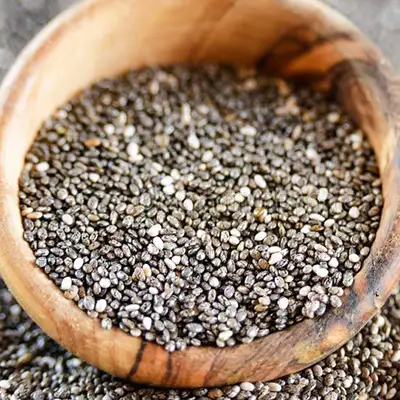
Chia
Currently, in the food industry in various countries worldwide, several products are made either based on chia seeds or fortified with them...
Benefits & Properties
Common Name: Chia
Scientific Name: Salvia hispanica L.
History and Origin
Around 3500 BC chia seeds were used as human food, (1) it has also been used for medicinal purposes for thousands of years. (2)
According to historical records, ancient Mesoamerican cultures (Aztecs and Mayas) used chia as well as corn, bean, and amaranth for the preparation of folk medicines and food. In pre-Columbian societies, it was the second main crop after beans.
According to different sources, chia is an oilseed; the word chia comes from the Spanish word “chian”, which means oily.
Chia is native to Southern Mexico and Northern Guatemala, and it was initially grown in tropical and subtropical climates. However, chia today is not only cultivated in Mexico and Guatemala, but also all over the world, particularly in Australia, Bolivia, Columbia, Peru, Argentina, America, Paraguay, Ecuador, and Nicaragua. Nowadays, Mexico is the world’s largest chia producer. (3), (2)
It is a crop of high economical value, mainly cultivated for its seeds. (4) In Europe, it is grown in greenhouses. (2)
Chia has become popular in Europe in recent years due to its exceptional nutritional composition and the ever-increasing demand for so-called superfoods. (4) Currently, in the food industry in various countries worldwide, several products are made either based on chia seeds or fortified with them; e.g., breakfast cereals, cookies, cakes, fruit juices, yogurts, sauces, jams, bread, pasta, ice cream, sausages or even ham. (2)
Chia Plant Structure
Chia is an annual herbaceous plant, which belongs to the Lamiaceae family and genus Salvia. The plant is sensitive to daylight and can grow up to 1 m tall. (3) Chia is not frost-resistant. In nature, it grows mainly in mountainous regions. Salvia hispanica develops properly in sandy loam and clay loam soils with good drainage conditions.
Its serrated leaves, arranged opposite, are 4–8 cm in length and 3–5 cm in width. Its white or blue (2) or purple (3) flowers are bisexual and 3–4 mm, growing in whorls at shoot tips. (2)
Chia seeds are generally very small, oval-shaped, 2 mm long, 1 to 1.5 mm wide, and less than 1 mm thick. (3) The seed surface is smooth, shiny, black, or (3) from white through grey to brown, with irregularly arranged black spots. (2)
There is such a slight difference between black and white chia seeds that they are considered equal. According to some studies, their nutritional values are similar too. The difference is only in morphology; white seeds are larger and thicker compared to black ones. (3)
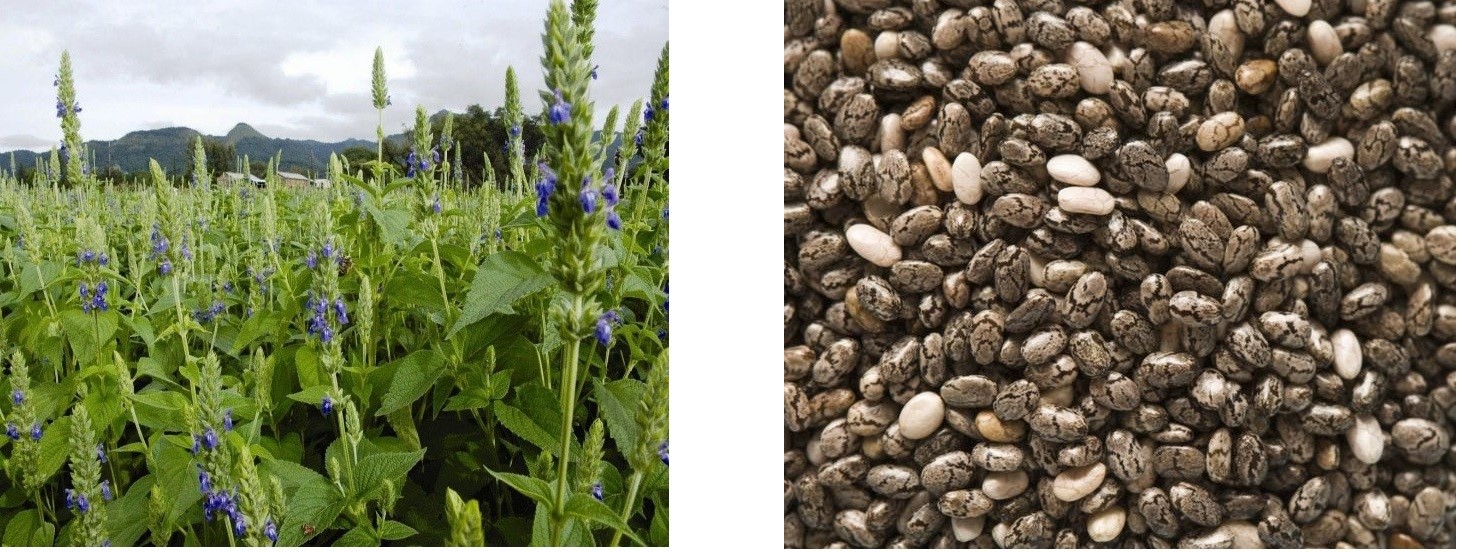
Fig. 1: Chia Plant and Seeds
Chia Health Benefits
What Are Chia Side Effects?
1. When Taken by Mouth
Chia is LIKELY SAFE when taken in the amounts found in foods. Larger amounts are POSSIBLY SAFE when used for up to 6 months.
Large doses might cause mild stomach discomfort in some people. (19)
2. Eating Too Many Chia Seeds Can Cause Digestive Issues
Chia seeds are a good source of fiber. However, excessive fiber intake can cause problems like abdominal pain, constipation, diarrhea, bloating, and gas. This can also occur when a high fiber intake is paired with inadequate hydration because water is essential to help fiber pass through the digestive system.
Furthermore, those with inflammatory bowel diseases like ulcerative colitis or Crohn’s disease may need to monitor their fiber intake and limit chia seeds during flare-ups. However, most people can prevent negative symptoms of high fiber intake by increasing fiber intake gradually and drinking plenty of water to help it pass through the body.
3. Eating Chia Seeds Can Be a Choking Risk
Chia seeds are able to absorb 10–12 times their weight. If they’re not soaked before you eat them, they may expand and cause a blockage, increasing your risk of choking.
Before you eat chia seeds, make sure you soak them in water, milk, or other liquids for at least 5–10 minutes. (20) You can also add dry whole or ground chia seeds to a "wet" dish (like porridge, yogurt) or a drink (like smoothies and juices). (21)
Those with difficulty swallowing may need to exercise extra caution when eating chia seeds. (20)
4. Pregnancy
There isn't enough reliable information about the safety of chia during pregnancy. So, stay on the safe side and avoid consuming it. (19)
5. Breast-Feeding
Chia is largely safe for lactation and for a baby. It is compatible with breastfeeding, basing on information published in the scientific literature. This plant possesses the highest content of alpha-linolenic acid (ALA), which is the precursor of docosahexaenoic acid (DHA). DHA is essential for the development of brain and visual functions.
Consuming chia oil, containing 60% ALA, increases the levels of DHA in breast milk, which can be useful for those with low fish consumption. (22)
Generally, chia is likely safe when taken in the amounts found in foods. (19)
6. Prostate Cancer
Chia contains a lot of alpha-linolenic acids. Some research suggests that large amounts of alpha-linolenic acid in the diet might increase the chance of getting prostate cancer. (19) However, in a study on the human prostate cancer cell line (PC-3), researchers showed that crude extract of chia seeds inhibited the growth of PC-3. They concluded that the crude extract of chia seeds could be used as a therapeutic option in prostate cancer cells. However, the researchers suggested further studies to substantiate the current findings. (23)
If you have prostate cancer or a high risk of getting it, avoid eating large amounts of chia. (19)
7. Breast Cancer
In a study, the effect of chia seed oil on cell viability in the breast cancer line MCF-7 was evaluated.
Tumor cells were treated to various concentrations of chia seed oil (12.5–400 μg/mL). High concentrations of chia seed oil could potentially increase the viability of breast cancer cells, and its low concentrations could reduce cell viability. (24)
If you have breast cancer or a high risk of getting it, avoid eating large amounts of chia.
8. Low Blood Pressure/Bleeding
Chia seeds have a load of omega-3s, the fatty acids that can lower your risk of developing certain cancers or heart problems. A very excessive amount of omega-3s might cause your blood to thin out a bit, but this is only likely to present an issue if you're already on blood thinning medication or experience low blood pressure. (25)
Generally, chia is likely safe when taken in the amounts found in foods. (19)
9. Allergies
Chia seeds belong to the mint family. So, people with known allergies to mint, sesame, or mustard seeds should be cautious about trying chia seeds. Some food allergy symptoms may include vomiting, diarrhea, itching of the lips or tongue, or anaphylaxis. (25)
Generally, every person can have an allergy to certain herbs and spices. This sensitivity must be first diagnosed by the person and secondarily by the physician. However, these allergic reactions do not cause chronic or acute side effects; after identifying the allergenic plant and eliminating it from their diet, allergy-related complications will be gone away.
No company or product can be aware of the allergic reactions of different bodies in advance. The body's incompatibility with one or more specific herbs rarely occurs, but some consumers may encounter it anyway.
Nutritional Information
Nutritional value of chia seeds per 100 g (source: USDA)
Energy (486.0 kcal), protein (16.5 g), total lipid (30.7 g), ash (4.8 g), carbohydrate (42.1 g), dietary fibre (34.4 g), calcium (631.0 mg), iron (7.7 mg), magnesium (335.0 mg), phosphorus (860.0 mg), potassium (407.0 mg), sodium (16.0 mg), zinc (4.6 mg), copper (0.9 mg), manganese (2.7 mg), vitamin C (1.6 mg), thiamine (0.6 mg), riboflavin (0.2 mg), niacin (8.8 mg), vitamin E (0.5 mg), Folate (49.0 µg). (2)
Protein: Chia seeds are a good source of plant protein, accounting for approximately 18–24% of the seeds' mass.
Analyses of the amino acid composition have confirmed the presence of all nine essential amino acids, especially arginine, leucine, phenylalanine, valine, and lysine. Other essential amino acids in chia seed are histidine, isoleucine, methionine, threonine, and tryptophan. (The body cannot produce essential amino acids by itself; they must be supplied to the body with a daily diet. (27))
Proteins in chia seeds are also rich in non-essential amino acids, mainly glutamic and aspartic acids, alanine, serine, and glycine. Other non-essential amino acids in chia seed are cystine, tyrosine, and proline. (2) (Non-essential amino acids can be synthesized in the human body. (28))
The protein content of chia seeds is greater than the protein content of all other cereals. For instance, the protein content of corn is 9.4%, rice 6.5%, and wheat 12.6%. (3) Also, its protein is gluten-free. (4)
Phytosterols: Chia seeds contain Phytosterols, including campesterol, stigmasterol, β-sitosterol, and Δ5-avenasterol.
Tocopherols: Tocopherols are strong antioxidants (30) and a class of fat-soluble compounds with vitamin E activity. (29) Chia seeds contain tocopherols, including α-tocopherol, γ-tocopherol, and δ-tocopherol. (2)
Fatty acid: The fatty acid profile is of particular interest. Chia seeds contain saturated fats (SFA), monounsaturated fats (MUFA), and high contents of polyunsaturated fatty acids (PUFAs). (2)
PUFAs are essential for human health but cannot be synthesized by the human body itself; the body receives them only with diet. (3)
The major constituents of chia oil are polyunsaturated fatty acids (PUFAs), including α-linolenic acid (ALA, ω-3 fatty acid) and linoleic acid (LA, ω-6 fatty acid).
Chia seeds contain 39% oil (mass of dry seed), which consists up to 68% of ω-3 and 19% of ω-6 fatty acid. The ratio between ω-6 and ω-3 fatty acid is 0.3:0.35, (3) which is favorable. (4)
Moreover, chia has not only the highest combined alpha-linolenic and linoleic fatty acid percentage of all crops, but also the highest known percentage of alpha-linolenic acid. (26) Oleic and palmitic acids are found in lower amounts. (2)
Dietary fiber: Almost all of the carbohydrates in chia seeds are fiber. (5) Chia seeds contain approximately 30–34 g dietary fiber, of which the insoluble fraction (IDF) accounts for about 85–93%, while soluble dietary fiber (SDF) is approximately 7–15%.
In terms of dietary fiber content, chia seeds exceed dried fruits, cereals, or nuts. (2)
Minerals: Chia seeds supply many minerals, including high amounts of phosphorus, calcium, potassium, and magnesium. (2)
Chia seed has more calcium than rice, barley, corn, and oats. Also, its content of other minerals such as magnesium, potassium, and phosphorus is higher than other cereals.
Vitamins: chia seeds contain vitamins A, K, E, D, and B, mainly B1, B2 and B3.
Phenolic Compounds: Dry chia seeds contain 8.8% of phenolic compounds as well as high levels of polyphenols, including caffeic acid, chlorogenic acid, querencetin, rosmarinic acid, gallic acid, cinnamic acid, myricetin, kaemferol, (3) ferulic acid, quercetin, epicatechin, rutin, apigenin, and p-coumaric acid. (2) Isoflavones, such as daidzein, glycitein, and genistein, are found in small amounts too. (3)
Some researchers reported that the chemical composition and nutritional values of chia seeds might vary due to climatic conditions, geographic location, nutrients, and year of cultivation. For example, the composition of fatty acids may vary according to climate change and the altitude of the plant; the colder and higher the region, the higher the content of ω-3 unsaturated fatty acid. (3)
Chia Daily Dosage
The appropriate dose of chia depends on several factors such as the user's age, health, etc. At the moment, there is not enough scientific information to determine an appropriate range of doses for chia. (19)
For general purposes of health, nutrition, and energy, up to 15 g/a day chia seed is generally recommended.
* 1 teaspoon = 4 g
* 1 ½ tablespoons or 4 teaspoons = about 15 g
Bioactive Compounds
The chemical composition of chia seeds has been analyzed by many researchers. Chia seeds contain a high content of fats, carbohydrates, dietary fiber, proteins, vitamins, minerals, and antioxidants. (3)
Chia has more protein, lipids, energy, and fiber—but fewer carbs—than rice, barley, oats, wheat, or corn. (26)
Best Time to Consume
Basically, you can consume chia seeds first thing in the morning or any other time of the day. (31) The best time depends on why you are using chia seeds, for example:
- To stay hydrated during workout or sports: If you want to stay hydrated longer (to maintain sufficient levels of water in your body), eat chia seeds before a workout or playing sports. (32)
Soak chia seeds in water or sports drink for at least 5–10 minutes before you eat them. (20)
- To control appetite and lose weight: To curb appetite, lose weight, and improve regularity, eat the seeds in the morning or right before meals. (32)
Possible Drug Interactions
Eating too many chia seeds may cause interactions with some medications:
1. Diabetes Medications
According to some studies, chia seeds can significantly lower blood sugar levels. In most cases, consuming moderate amounts of chia seed can help people with diabetes keep their blood sugar levels under control, but eating an excessive amount can lower blood sugar levels and may require adjustments in the dosage of your diabetes medications.
2. Blood Pressure Medications
Chia seeds can reduce blood pressure. Therefore, they may increase the activity of blood pressure medications, leading to hypotension or low blood pressure.
People on medications for high blood pressure or diabetes are recommended to moderate their portion sizes to prevent interactions. (20)
Traditional Use
Pre-Columbian civilizations used chia seeds as a raw material in making several medicinal and nutritional compounds. Historically, chia seeds were roasted and ground to form a meal called “Pinole”. Then, it was mixed with water to form porridge or made into cakes. (33) Pinole also was fortified into tortillas, tamales (a traditional Mexican dish), or eaten as gruel.
The ground chia seeds were used in Chianatoles, an Aztec beverage. (34)
Chia seeds were also used for medicinal purposes, uptake of medicines, and treatment of respiratory malaise, kidney problems, eye obstructions and infections (by placing seeds directly under the eyelid). (34)
Chia is still used in the preparation of a popular beverage called “chia Fresca”, where the seeds are soaked in water, flavored with fruit juice, and consumed as a cooling drink. (33)
Some Questions about Chia
References
1. https://www.researchgate.net/
2. https://www.ncbi.nlm.nih.gov/
3. https://www.researchgate.net/
4. https://www.researchgate.net/
5. https://www.healthline.com/
6. https://www.canadianjournalofdiabetes.com/
7. https://philosophy-question.com/
8. http://web5.lib.pacificu.edu/
9. https://pubmed.ncbi.nlm.nih.gov/
10. https://www.researchgate.net/
11. https://pubmed.ncbi.nlm.nih.gov/
13. http://wydawnictwa.pzh.gov.pl/
14. https://www.ncbi.nlm.nih.gov/
15. https://www.researchgate.net/
16. https://pubmed.ncbi.nlm.nih.gov/
17. https://www.researchgate.net/
18. https://pubmed.ncbi.nlm.nih.gov/
20. https://www.healthline.com/
21. https://www.bonappetit.com/
23. https://www.researchgate.net/
24. https://www.researchgate.net/
26. https://www.researchgate.net/
28. https://www.organicts.com/
29. https://www.sciencedirect.com/
30. https://www.ncbi.nlm.nih.gov/
32. http://www.chiaseeds.net.au/
33. https://mobil.bfr.bund.de/
35. https://www.healthline.com/
36. https://www.clevertraining.com/
37. https://pubmed.ncbi.nlm.nih.gov/