Flax
Discover the natural plants and herbs used in our products
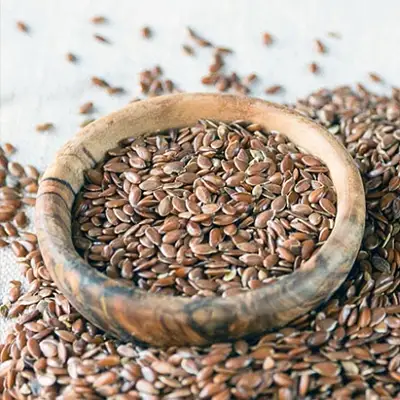
Flax
Flaxseed and flaxseed oil are both superfoods with numerous health benefits; the seed contains fiber and protein, and the oil contains omega-3 fatty acids.
Benefits & Properties
Common Name: Flax, Flaxseed
Scientific Name: Linum usitatissimum L.
History and Origin
Flax is one of the oldest cultivated crops, with evidence of its cultivation dating back thousands of years (1) (approximately 10,000 BC). (2) Sometime between 4000 and 2000 BC, flax cultivation became a common practice in countries bordering the Mediterranean Sea and in regions of the Middle East. (2) Flax has been cultivated since antiquity in the Mediterranean coastal lands, Asia Minor, Egypt, Algeria, Tunis, Spain, Italy, Greece, (1) and China. (2)
Its origin is uncertain. Some consider it to be indigenous to localities between the Persian Gulf, the Caspian and Black seas, while others ascribe its origin to India. (1) The initial use of flax has also been debated. Based on archeological evidence, it was proposed that flax was used first for fiber of stem. (3)
Today, it is cultivated all through the world mainly for the purpose of oil and (1) mucilage (4) of seeds and fiber of stem. (1) Canada has the highest area and production of flax in the world, followed by China, the USA, India, and the EU. (3)
Flax has been divided into three types: oil flax, fiber flax, and oil-fiber flax, based on their agronomic traits and practical use. (5) Flax varieties grown for human consumption are different from flax varieties grown to produce fiber; (6) according to some sources, flaxseed is used to describe flax when eaten by humans, while linseed is used to describe flax when it is used for industrial purposes. (2) Ordinarily utilized types of flaxseed for human use are entire flaxseed, flaxseed oil, ground flaxseed, and somewhat defatted flaxseed. (7)
The botanical name of flax is Linum usitatissimum L. (1) The generic name “Linum” comes from the Celtic word lin means thread and the species name “usitatissimum” given by Carl Linnaeus, means very useful. So, it directly refers to its multiple applications and their importance in ancient times. (8) The plant was useful as a source of fiber for weaving, oil from the seeds, and feed from the meal. It is nature’s miraculous plant. Today, this oilseed has been classified as superfood, (1) and demand for it has been increased (9) because it provides numerous health benefits (1) in addition to having a unique nutrient profile, particularly omega-3 fatty acid, lignans, and fiber. (9)
In 2005, approximately 200 new food and personal care products were introduced in the US market containing flax or flax ingredients, which suggests that flax-based products have the highest growth potentials in superfood markets. (3)
Flax Plant Structure
Linum usitatissimum is an annual herb growing up to a 60-120 cm height. It belongs to the genus Linum and family Linaceae. (1) The genus Linum is composed of approximately 230 species, but cultivated flax is the only species of economic importance in the genus, cultivating for its fiber and oil. (8)
The cultivars grown primarily for the seed/oil purpose are relatively short in height and possess more secondary branches and seed bolls (seed capsule). The cultivars grown for the fiber purpose are tall growing with straight culms and have fewer secondary branches. (3)
Its stem, branches, and leaves are thin. The leaves are up to 3.8 cm long, linear, lanceolate, and ovate. It has smooth edge grey-green in color. The blue flowers may be bluish violet or white. The root is short, fusiform, and light yellow in color.
Fruit is an almost globular in shape, 6-8 mm long capsule on an erect or slightly bent stem. They have 5 cells, each containing 2 seeds. (1) The seeds are glossy, flat, oval with a pointed tip, 4 - 6 mm in length. (6)
There are two assortments of flaxseed dark colored brown and brilliant gold (7) or yellow. (1) Flaxseeds have a hard shell that the color ranges from deep amber (yellowish-brown) to reddish-brown depending upon whether the flax is of the golden or brown variety. (10)
According to a study, there were no significant nutritional or safety-related differences between flaxseeds of different colors. Brown flaxseed is rich in ω-3 fatty acid alpha-linolenic acid (ALA). Yellow flaxseed is one of these two types: the first one, a U.S.-developed variety named Omega, is as rich in ALA as brown flax. The second type is entirely different flax called Solin (trade name Linola), which is low in ALA. (4)
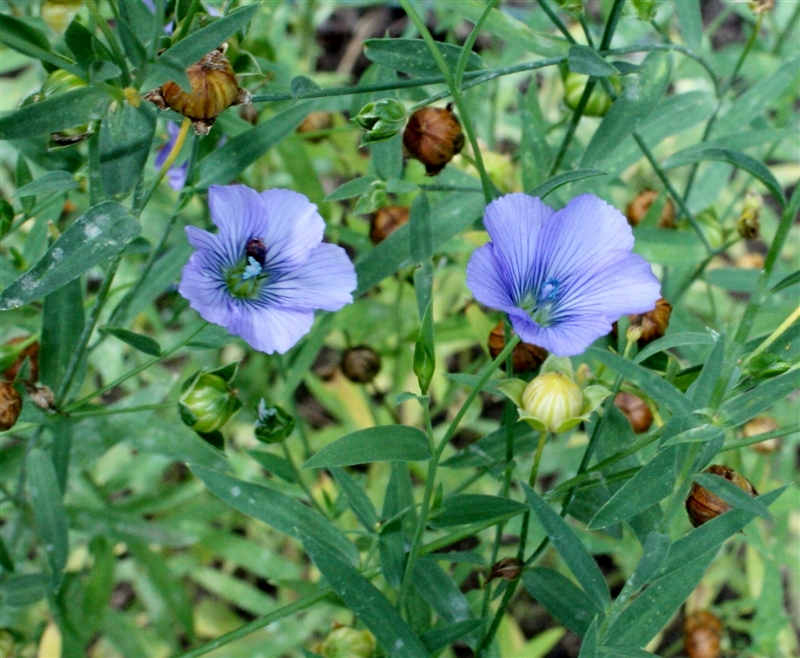
Fig. 1 The photo of flax plant
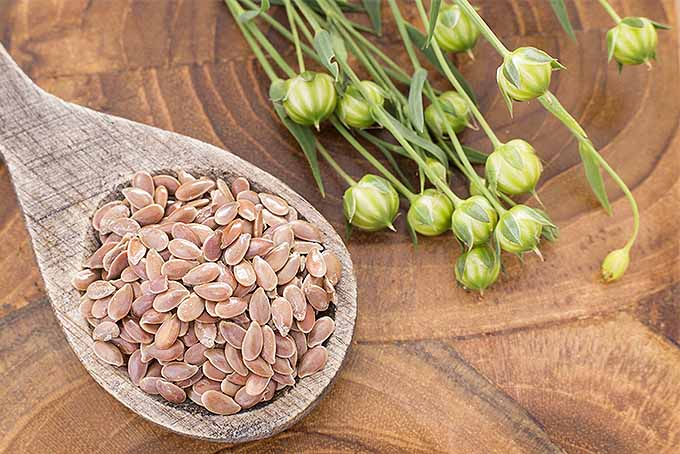
Fig. 2 The photo of flax capsules & seeds
Flax Health Benefits
What Are Flax Side Effects?
1. When taken by mouth: Flaxseed is LIKELY SAFE for most adults when taken by mouth in recommended amounts. (62) However, when taken in large amounts and with too little water, it can cause bloating and gas. (63)
2. Digestive Problems: For people who are not used to eating a lot of fiber, incorporating flaxseeds too quickly can cause mild digestive problems, including bloating, gas, abdominal pain, nausea, (64) and constipation. (65) It is best to start with small doses. (64) This can also occur when a high fiber intake is paired with inadequate hydration since water is essential to helping fiber pass through the digestive system. (65)
Furthermore, adding flaxseeds to your diet may also increase bowel movement frequency, as flaxseeds are a natural laxative. (64) When consumed in limited quantities, it prevents constipation and ensures regular and healthy bowel movements. However, an excess of flaxseeds can even lead to diarrhea in some cases and IBS. Those who already are suffering from IBS should avoid flaxseeds. (66)
Patients suffering from abnormal constrictions of the gastrointestinal tract, diseases of the cardia (the part of the stomach that is closest to the esophagus), or megacolon (an abnormal dilation of the large intestine) should consult a doctor before consuming flaxseed. (67)
However, for most people, negative symptoms from high fiber intake can be prevented by increasing fiber intake slowly and drinking plenty of water. (65)
3. Gastrointestinal (GI) Obstruction: People with a bowel obstruction, a narrowed esophagus, an inflamed (swollen) intestine (62) or paralysis of the intestine (67) should avoid flaxseed. The high fiber content of flaxseed might make the obstruction worse. (62)
Those with difficulty swallowing or any throat problems should exercise extra caution when eating them.
Each single dose (10 – 15 g flaxseed) should be taken with at least 150 ml of water or similar aqueous fluid. Taking it without adequate fluid may cause it to swell and block the throat or esophagus and may cause choking. (67)
4. Pregnancy: Taking flaxseed by mouth during pregnancy is POSSIBLY UNSAFE. Flaxseed can act like the hormone estrogen. Some healthcare providers worry that this might harm the pregnancy. But there is no reliable clinical evidence about the effects of flaxseed on pregnancy. (62)
5. Breast-feeding: There are possible non-significant side effects that affect lactation or a baby. Although devoid of toxicity, its estrogenic effects make its use during lactation should be moderate, avoiding prolonged use. (68) Consult with your physician or other health care professional before taking flaxseeds.
6. Children: The use is not recommended in children below 12 years old due to the estrogenic effects of flaxseed. (67)
7. Diabetes: There is some evidence that flaxseed can lower blood sugar levels and might increase the blood sugar-lowering effects of some medicines used for diabetes. There is a concern that blood sugar could drop too low. If you have diabetes and use flaxseed, monitor your blood sugar levels closely.
8. High blood pressure (hypertension): Flaxseeds might lower diastolic blood pressure. Theoretically, taking flaxseeds might cause blood pressure to become too low in individuals with high blood pressure who are taking blood pressure-lowering medication.
9. Low blood pressure (hypotension): Flaxseeds and flaxseed oil might lower diastolic blood pressure. Theoretically, taking flaxseeds and flaxseed oil might cause blood pressure to become too low in individuals with low blood pressure.
10. Hormone-sensitive conditions such as breast cancer, uterine cancer, ovarian cancer, endometriosis, or uterine fibroids: Because flaxseed might act somewhat like the hormone estrogen, there is some concern that flaxseed might make hormone-sensitive conditions worse. However, some early laboratory and animal research suggests that flaxseed might actually oppose estrogen and might be protective against hormone-dependent cancer. Still, until more is known, avoid excessive use of flaxseed and flaxseed oil if you have a hormone-sensitive condition. (62)
11. Prostate cancer: The evidence is mixed as to whether flaxseed or its oil has any effect on the prostate or the risk of prostate cancer. (63) The products containing partially defatted flaxseed, the seed with less alpha-linolenic acids content, are also available. Some men choose these products because they have heard that alpha-linolenic acid might raise their risk of getting prostate cancer. It's important to remember that the source of the alpha-linolenic acid is key. Alpha-linolenic acid from dairy and meat sources has been positively associated with prostate cancer. However, alpha-linolenic acid from plant sources, such as flaxseed, does not seem to affect prostate cancer risk. So, men should not worry about getting alpha-linoleic acid from flaxseed. (62) However, if you have prostate cancer or have a high risk of getting it, avoid eating large amounts of flaxseed and flaxseed oil.
12. High triglyceride levels (hypertriglyceridemia): Partially defatted flaxseed (the seed with less alpha-linolenic acid content) might increase blood triglyceride levels. If your triglyceride levels are too high, don't take defatted flaxseed. (62)
13. Bleeding disorders: Large doses of omega-3 fatty acids may have blood-thinning effects. (64) Therefore, flaxseed and flaxseed oil might slow clotting. (62) If you have a bleeding disorder or are taking blood thinners, consult with your healthcare professional before incorporating flaxseed and flaxseed oil into your diet. (64)
14. Surgery: Because flaxseed oil might decrease blood clotting, stop using flaxseed or its oil two weeks before having elective surgery. (63)
15. Anti-nutrients (nutrient antagonists): Flaxseed is considered as superfood owing to the presence of high-quality protein, (69) lignans, (70) dietary fiber, and alpha-linolenic acid (ALA), an omega-3 fatty acid. However, the presence of anti-nutritional factors (69) such as cyanogenic glycosides, (70) phytic acid, and oxalate (10) restricts flaxseed's consumption as a food (69) and may pose adverse health effects. (9)
a) Cyanogenic glycosides are the major anti-nutrients in flaxseed. (70) Many foods, including not only flax but cashews, almonds, some beans, and other plant products, naturally contain very small amounts of cyanide compounds. You’re more likely to ingest these trace amounts of cyanide when such foods are consumed raw, as heat breaks down the compounds.
However, even when flaxseed is eaten raw, the body has a natural capacity to break down a certain amount of these cyanide compounds. A 1994 study found that, in healthy individuals, daily consumption of as much as 60 grams of raw flaxseed —more than eight tablespoons—was safe. (71) The U.S. government agencies say that 2 tablespoons of raw flaxseed (about 3 tablespoons of flax meal) are safe and probably an “effective dose” for health purposes. (72)
Note that inappropriate storage of flaxseed may lead to higher content of cyanogenic glycosides, (67) and ripe seed contains less glycoside than the immature (unripe) seed. (70) Taking unripe flaxseed by mouth is POSSIBLY UNSAFE. Flaxseed in these forms is thought to be poisonous. (62)
As mentioned, cyanogenic glycosides are heat-labile. (70) Therefore, roasting is generally done to remove them. (9)
b) Flaxseed contains two compounds, phytic acid and oxalate, that bind calcium, copper, iron, magnesium, and zinc to form insoluble complexes in the intestine. (10) The two compounds interfere with the absorption of the minerals. (70)
Phytic acid is widely distributed in plant foods; an imbalance in the intake of phytates, calcium, and zinc diminishes growth and decreases bone zinc levels. (10)
16. Allergies: Occasionally, using flaxseed or its oil causes an allergic reaction. (63) Signs of an allergic reaction include hives, difficulty breathing, and swelling of your face, lips, tongue, or throat. (73)
Generally, every person can have an allergy to certain herbs and spices. This sensitivity must be first diagnosed by the person and secondarily by the physician. However, these allergic reactions do not cause chronic or acute side effects; after identifying the allergenic plant and eliminating it from their diet, allergy-related complications will be gone away.
No company or product can be aware of the allergic reactions of different bodies in advance. The body's incompatibility with one or more specific herbs rarely occurs, but some consumers may encounter it anyway.
Nutritional Information
Nutritional value of flaxseeds per 100 g (source: USDA)
- Energy: 534 Kcal
- Protein: 18.29 g
- Total lipid: 42.16 g
- Carbohydrate: 28.88 g
- Dietary fiber: 27.3 g
- Minerals: calcium (255 mg), iron (5.73 mg), magnesium (392 mg), phosphorus (642 mg), sodium (30 mg), zinc (4.34 mg)
- Vitamins: vitamin C (0.6 mg), thiamin (1.644 mg), riboflavin (0.161 mg), niacin (3.080 mg), pyridoxine (0.473 mg), vitamin E (0.31 mg). (9)
Flax Daily Dosage
Flaxseed: Generally, your daily diet may include 1 ½ to 3 tablespoons of flaxseeds.
Flaxseed oil:
- Internal: you can include 1 to 2 tablespoons (15–30 ml) of flaxseed oil into your daily diet. Flaxseed oil can be consumed directly or used in salad dressing, smoothies, or juice.
- Topical: You can massage flaxseed oil into joints, stretch marks, and scalp.
The following oral doses also have been recommended:
Decrease platelet aggregation: 1 to 2 tablespoonfuls flaxseed oil daily.
Constipation: 2 teaspoons of whole or bruised (not ground) seed with at least 150 ml of liquid 2 to 3 times daily. (74)
Breast pain (mastalgia): 25 grams of flaxseed powder has been taken daily for 2 months. Also, a muffin containing 25 grams of flaxseed has been eaten daily for 3 months. (62)
Bioactive Compounds
The composition of flaxseed can vary with genetics, growing environment, and method of seed processing. (10) Based on an analysis conducted by the Canadian Grain Commission, this oilseed containing mucilage is rich in fat, protein, and dietary fiber. (9)
Protein and amino acid: The total protein content in flaxseed ranges between 20 to 30%. (9) However, the protein content of the seed decreases as the oil content increases. The amino acid pattern of flaxseed protein is similar to that of soybean protein, which is viewed as one of the most nutritious plant proteins. Brown flaxseeds contain all nine essential amino acids for humans, including histidine, isoleucine, leucine, lysine, methionine, phenylalanine, threonine, valine, and tryptophan. In addition, the seed is gluten-free, making it a great choice for people who are sensitive to gluten. (10) Comparing nutritional profiles of various oilseeds, including flaxseeds, chia seeds, sesame seeds, safflower seeds, and sunflower seed kernels, showed that flaxseed contains the second-highest amount of protein, followed by sesame seed, chia seed, and safflower seed. (9)
Fatty acids: Flaxseed has been valued historically for its abundance of fat, which provides a unique mix of fatty acids. Fatty acid composition of flax oil includes omega-3 polyunsaturated fatty acids, (10) particularly alpha-linolenic acid (4) (57%), omega-6 polyunsaturated fatty acids (16%), monounsaturated fatty acids (18%), and saturated fatty acids (9%). (10) In comparison with other oilseeds, including chia seeds, sesame seeds, safflower seeds, and sunflower seed kernels, flaxseed has the highest amount of polyunsaturated fatty acid. (9)
Phytosterols: β-Sitosterol is the main phytosterol in flaxseed oil, followed by campesterol, stigmasterol, and Δ 5 – avenasterol. (75)
Tocopherols: Tocopherols are strong antioxidants (76) and a class of fat-soluble compounds with vitamin E activity. (77)
Gamma-Tocopherol predominates in the tocopherol fraction of flaxseed oil. (75) Gamma-tocopherol is an antioxidant that protects cell proteins and fats from oxidation; promotes sodium excretion in the urine, which may help lower blood pressure; and helps lower the risk of heart disease, some types of cancer, and Alzheimer’s disease. (10)
Carbohydrate: Flaxseeds are low in carbohydrates. (10) However, they serve as a good source of both water-soluble and insoluble dietary fiber. It contains 35–45 % of fiber; two-thirds is insoluble fiber, and one-third is soluble fiber. Insoluble fiber consists of cellulose, hemicellulose, and lignin. Most of the soluble fiber of flaxseed appears to be the mucilage of the seed coat. Mucilaginous material consists mainly of water-soluble polysaccharides. (70) Flaxseeds contain more fiber than sesame seeds and sunflower seed kernels. (9)
Minerals: Flaxseed is a good source of minerals, particularly phosphorus, magnesium, calcium, iron, zinc, and very little amount of sodium. (9) One tablespoon of milled flaxseed contains 34 mg of magnesium, about the same amount of magnesium found in a 250 mL (8 oz) container of low-fat yogurt with fruit, 30 g (1 oz) of pecan halves, or half a fried chicken breast (140 g).
The potassium content of milled flaxseed is about 66 mg per tablespoon or about the same amount of potassium found in a 175 mL (6 oz) mug of brewed tea or a hard-boiled egg. (10)
Vitamins: Flaxseed contains several water-and-fat-soluble vitamins, (10) including vitamins A, (9) C, E, B vitamins (including B1 (thiamin), B2 (riboflavin), B3 (niacin), B5 (pantothenic acid), B6 (pyridoxine), biotin (B7), folic acid (B9)), and K (in the form of phylloquinone, which is the plant form of the vitamin).Vitamin K plays an essential role in the formation of certain proteins involved in blood clotting and in building bone. (10)
Phenolic compounds: Many phenolic compounds have anticancer and antioxidant effects in humans. Flaxseed contains at least three types of phenolics viz., phenolic acids (about 1%), flavonoids (35-70 mg/ 100 g), and lignans (1-26 mg/g).
Lignans are part of plant cell wall carbohydrates and are also considered phytoestrogens; they help balance hormone levels, such as estrogen, in the body. They’ve also been found to help reduce menopause symptoms, similar to soy phytoestrogens. Flaxseed contains at least 75 times more lignans than any other plant source. The principal lignan present in the flaxseed is secoisolariciresinol diglucoside (SDG).
Proximate composition of whole flaxseed, milled seed, and flax oil, based on the common measure (tablespoon):
1 Tbsp. of whole seed (11 g): Energy (50 Kcal), total fat (4.5 g), ALA (2.5 g), protein (2.2 g), total carbohydrate (3.0 g), total dietary fiber (3.0 g).
1 Tbsp. of milled seed (8 g): Energy (36 Kcal), total fat (3.3 g), ALA (1.8 g), protein (1.6 g), total carbohydrate (2.3 g), total dietary fiber (2.2 g).
1 Tbsp. of flax oil (14 g): Energy (124 Kcal), total fat (14.0 g), ALA (8.0 g).
*Total carbohydrate includes carbohydrates like sugars and starches and total dietary fiber. (10)
Best Time to Consume
Generally, you can consume flaxseeds at any time of the day. However, the best time depends on why you are using the seeds, too. For example:
Before a meal: Flaxseed fiber seems to make people feel less hungry. So, they might eat less food. (62)
After a meal: Eating flaxseed after a meal reduces blood sugar levels and increases insulin levels because of its high content of soluble fiber. (78)
Possible Drug Interactions
Generally, all bulk-forming laxatives like flaxseed may delay the enteral absorption of concomitantly administered medications. Flaxseed should therefore be taken at least ½ to 1 hour before or after intake of other medicinal products. (67, 74)
1. Medications that Slow Blood Clotting (Anticoagulant / Antiplatelet Drugs): Flaxseed and flaxseed oil might slow blood clotting. Taking flaxseed along with medications that slow clotting might increase the chances of bruising and bleeding. Some medications that slow blood clotting include aspirin, clopidogrel (Plavix), diclofenac (Voltaren, Cataflam, others), ibuprofen (Advil, Motrin, others), naproxen (Anaprox, Naprosyn, others), dalteparin (Fragmin), enoxaparin (Lovenox), heparin, warfarin (Coumadin), and others. (62)
Also, avoid using flaxseed and flaxseed oil together with other herbal/health supplements that can also affect blood-clotting. This includes angelica (dong quai), capsicum, clove, danshen, garlic, ginger, ginkgo, horse chestnut, Panax ginseng, poplar, red clover, saw palmetto, turmeric, and willow. (73)
2. Medications for Diabetes (Antidiabetic Drugs): Flaxseed and flaxseed oil can decrease blood sugar levels. Diabetes medications are also used to lower blood sugar. Taking flaxseed along with diabetes medications might cause your blood sugar to be too low. So, monitor your blood sugar closely. The dose of your diabetes medication might need to be changed. Some medications used for diabetes include glimepiride (Amaryl), glyburide (DiaBeta, Glynase PresTab, and Micronase), insulin, pioglitazone (Actos), rosiglitazone (Avandia), chlorpropamide (Diabinese), glipizide (Glucotrol), tolbutamide (Orinase), and others. (62)
Also, avoid using flaxseed together with other herbal/health supplements that can lower blood sugar, such as alpha-lipoic acid, chromium, devil's claw, fenugreek, garlic, guar gum, horse chestnut, Panax ginseng, and psyllium and Siberian ginseng. (73)
3. Blood Pressure Drugs, Herbs, and Supplements: Flaxseed oil might lower blood pressure. So, taking it with drugs, herbs, and supplements that lower blood pressure might lower blood pressure too much.
4. Estrogens: Flaxseed might have an anti-estrogen effect. So, taking flaxseed might decrease the effects of oral contraceptive drugs and estrogen replacement therapy. (63)
5. Medications that Inhibit Gastrointestinal Propulsive Motility: Attention is to be paid to interactions between laxative bulk agents like flaxseed and medicinal products that inhibit gastrointestinal propulsive motility, given the risk of ileus (gastrointestinal obstruction) development following concomitant use.
In order to decrease the risk of ileus, flaxseed should be used with caution with medicinal products known to inhibit the peristaltic movement (e.g., opioids, loperamide) and only under medical supervision. (67)
Also, do not take flaxseed without medical advice if you are using any of the following medications:
- An antibiotic;
- Acetaminophen (Tylenol);
- Furosemide (Lasix), a strong diuretic. (73)
Traditional Use
Flax was used as a food source and natural laxative dating back as far as the ancient Greeks and Egyptians. (3)
In Tunisia, flaxseed is used in traditional medicine against cough, asthma, and measles. It is also used for the treatment of constipation and gastritis. (79)
Unani physicians described the Mizaj (Temperament) of flaxseed as Hot and Dry. The Mizaj of oil is described as Hot and Wet. (1)
Flaxseed Tea: Add 2 teaspoons of uncrushed seed into 1 glass of water. Leave it to soak for 20-30 minutes and stir it occasionally. Drain the seeds without squeezing them and drink obtained water by making it slightly tepid.
Clearing out Constipation: Flaxseed is a natural laxative. Put a teaspoon of flaxseed powder into a glass of hot water, brew, and drain it. Drink one cup every day.
Against Bad Cough, Common Cold, or Catching Chill: Boil one tablespoon of flaxseed in 3 cups of water for 10 minutes; leave it to soak for 3-5 minutes, drain, and drink it. Also, the vapor of this tea is inhaled through the nose.
Helping Expel Kidney Stones: One tablespoon of flaxseed, a tablespoon of hollyhock root, and half a teaspoon of licorice are put into one liter of water. It is boiled for half an hour and drained; then 3-4 tepid glasses of this mixture are drunk on an empty stomach.
Good for Stomach Ulcer: 1 kg flaxseed is pounded in press, boiled with 1 kg milk, and taken off the stove when it gains a thick consistency. Take one tablespoon of it half an hour before meals.
Flaxseeds are Recommended for Diabetic Patients: 1 tablespoon of flaxseed is boiled in 1 liter of water until the water gets down to ½ liter. Drink the obtained ferment 3 times a day.
Useful against Dyspnea (Shortness of Breath), Asthma, Dysphonia (Having an Abnormal Voice), Bad Cough, and Bronchitis: Mix 1 tablespoon of roasted and milled flaxseed with honey and eat it one hour before meals. (56)
For Cystitis (Inflammation of the Bladder): 2 teaspoons of flaxseeds are boiled up with 2 glasses of water, left to settle for 10 minutes, and drunk during the day. (67)
Some Questions about Flax
References
1. https://www.phytojournal.com/archives/2017/vol6issue5/PartF/6-4-231-926.pdf
2. https://www.researchgate.net/publication/331375097
3. https://www.researchgate.net/publication/228952435
4. http://www.bioline.org.br/pdf?pr15017
5. https://www.researchgate.net/publication/251376503
6. https://www.researchgate.net/publication/271145525
7. https://www.hrpub.org/download/20200430/BB1-10114886.pdf
8. https://www.researchgate.net/publication/315706358
9. https://www.researchgate.net/publication/324410126
10. https://www.researchgate.net/publication/224889754
11. https://academic.oup.com/ajcn/article/87/6/2003S/4633490
12. https://academic.oup.com/jn/article/136/1/83/4664176?login=false
13. https://www.sciencedirect.com/topics/medicine-and-dentistry/activated-protein-c
14. https://www.hopkinsmedicine.org
15. https://www.researchgate.net/publication/266145977
16. https://www.sciencedirect.com/science/article/pii/S0924224414000697
17. https://www.ncbi.nlm.nih.gov/pmc/articles/PMC4152533/
18. https://www.ncbi.nlm.nih.gov/pmc/articles/PMC3307491/
19. https://www.ahajournals.org/doi/full/10.1161/hypertensionaha.113.02094
20. https://www.nature.com/articles/1602631
21. https://pubmed.ncbi.nlm.nih.gov/22432725/
22. https://www.researchgate.net/publication/303845280
23. https://www.phillyvoice.com
24. https://nofima.no/en/project/dietary-fiber-and-glycemic-carbohydrates/
25.https://www.researchgate.net/publication/298798469
26. https://pubmed.ncbi.nlm.nih.gov/22249395/
27. https://link.springer.com/article/10.1186/s12944-017-0431-8
28. https://pubmed.ncbi.nlm.nih.gov/18710604/
29. https://www.researchgate.net/publication/275101293
30. https://pubs.rsc.org/en/content/articlelanding/2019/fo/c9fo01877h/unauth
31.https://www.researchgate.net/publication/315799980
32. https://www.ncbi.nlm.nih.gov/pmc/articles/PMC5944250/
33. https://pubmed.ncbi.nlm.nih.gov/22245724/
34. https://pubmed.ncbi.nlm.nih.gov/21802266/
35. https://www.sciencedirect.com/science/article/abs/pii/S2210803320300580
36. https://academic.oup.com/jn/article/136/6/1545/4664384
37. https://www.healthline.com/health/oxidative-stress
38. https://www.verywellmind.com/cortisol-and-depression-1066764
39. https://onlinelibrary.wiley.com/doi/full/10.1111/pcn.12100
40. https://www.researchgate.net/publication/344974966
41. https://link.springer.com/article/10.1007/s11418-012-0655-x
42. https://www.sciencedirect.com/science/article/abs/pii/S0952327805001730
43. https://www.researchgate.net/publication/256448673
44. https://www.phytojournal.com/archives/2018/vol7issue5/PartBD/7-5-624-214.pdf
45. https://pubmed.ncbi.nlm.nih.gov/12442909
46. https://www.healthline.com/nutrition/omega-3-6-9-overview#omega-6
48. https://www.sciencedirect.com/science/article/abs/pii/S0965229919306922
49. https://www.scienceopen.com/document_file/
50. https://www.hindawi.com/journals/pm/2012/457031/
51. https://journals.sagepub.com/doi/10.1177/1721727X16652147
52. https://pubmed.ncbi.nlm.nih.gov/23244537/
53. https://www.ncbi.nlm.nih.gov/pmc/articles/PMC5871162/
54. https://www.sciencedirect.com/science/article/abs/pii/S1744388117304942?via%3Dihub
55. https://www.researchgate.net/publication/262777686
56. http://www.aensiweb.com/old/aeb/2011/1380-1392.pdf
57. https://pubmed.ncbi.nlm.nih.gov/21088453/
58. https://www.researchgate.net/publication/23228081
60. https://www.thieme-connect.com/products/ejournals/abstract
61. https://www.researchgate.net/publication/283730350
62. https://www.webmd.com/vitamins/ai/ingredientmono-991/flaxseed
63. https://www.mayoclinic.org/drugs-supplements-flaxseed-and-flaxseed-oil/art-20366457
64. https://www.healthline.com/nutrition/foods/flaxseeds#downsides
65. https://www.healthline.com/nutrition/chia-seeds-side-effects#TOC_TITLE_HDR_3
66. https://doctor.ndtv.com/living-healthy/8-shocking-side-effects-of-flaxseeds-1801182
67. https://www.ema.europa.eu/en/documents/herbal-report/
68. https://e-lactanciya.org/en/synonyms/3097-linseed
69. https://www.tandfonline.com/doi/full/10.1080/10942912.2011.608914
70. https://www.ncbi.nlm.nih.gov/pmc/articles/PMC4375225/
71. https://www.nutritionletter.tufts.edu/ask-experts/are-cyanide-levels-in-flaxseed-safe/
72. https://blockmd.com/2013/03/06/is-flaxseed-toxic/
73. https://www.drugs.com/mtm/flax.html
74. PDR for herbal medicines. (2000). 2nd ed. Montvale, NJ: Medical Economics Company
75. https://www.researchgate.net/publication/271214260
76. https://www.ncbi.nlm.nih.gov/pmc/articles/PMC4899293
77. https://www.sciencedirect.com/topics/agricultural-and-biological-sciences/tocopherols
78. https://www.nehanidhi.com/how-to-control-diabetes-naturally/
79. https://www.researchgate.net/publication/311090650
80. https://www.mayoclinic.org/healthy-lifestyle/20058354