Aloe Blossom
Discover the natural plants and herbs used in our products
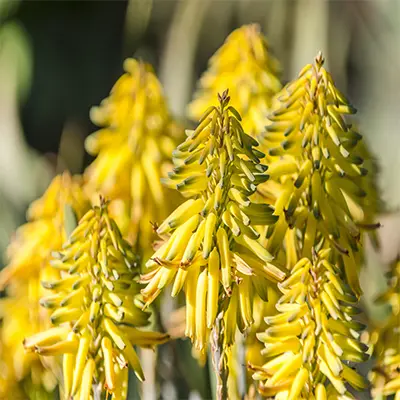
Aloe Blossom
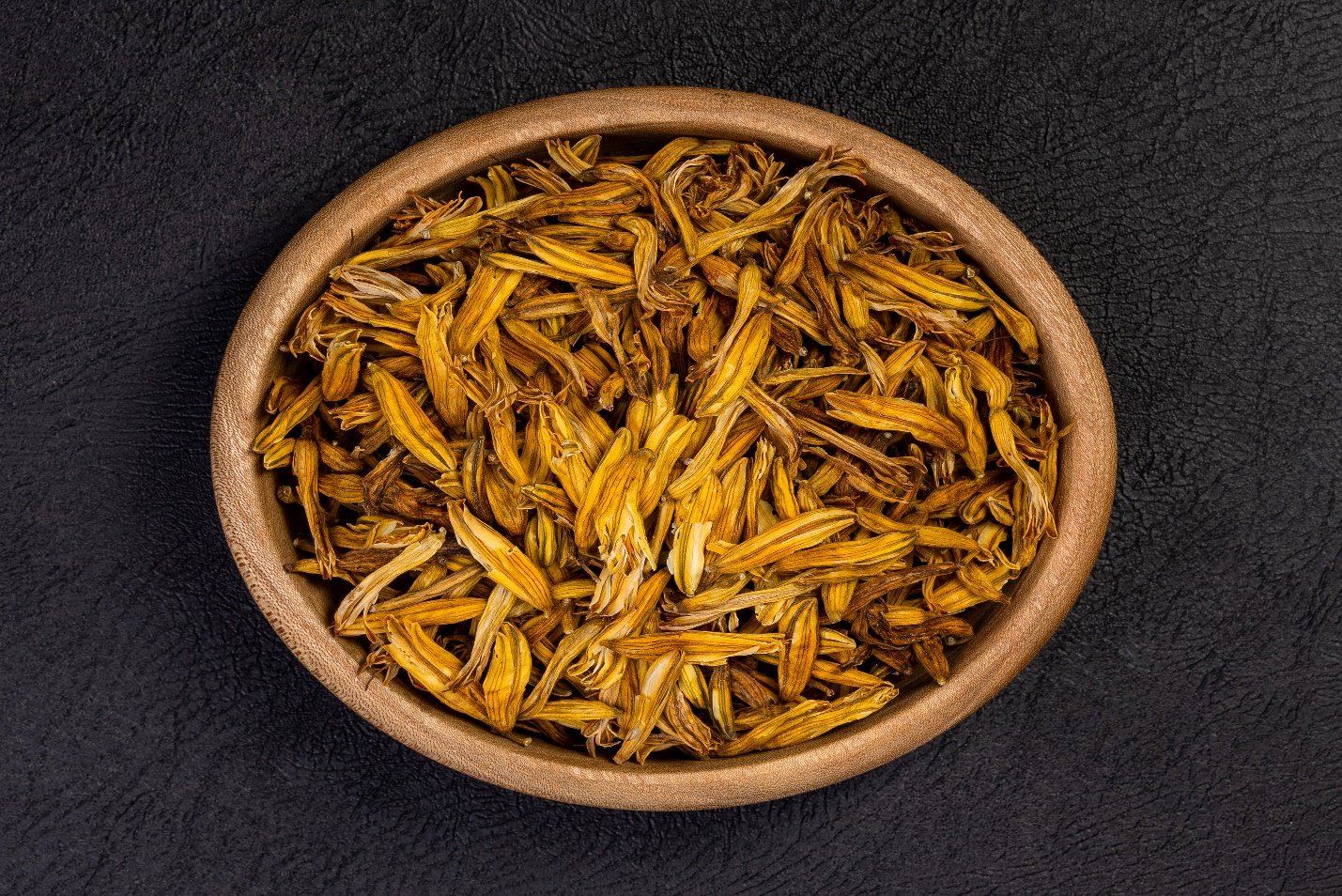
Aloe flower has nutritional value and possible application in the food, industries. It can help maintain a healthy liver and delay skin aging.
Benefits & Properties
Common Name: Aloe Vera (Barbadensis Miller), Barbados Aloe, Aloe Arborescens, Aloe Blossom, Aloe Flower
Scientific Name: Aloe barbadensis Mill.
History and Origin
Among the more than 300 species in the genus Aloe, Aloe vera (Barbadensis Miller) is the most well-known worldwide. This tropical plant is a member of the Asphodelaceae family. (1) The use of aloe flowers and aloe vera gel dates to 1500 B.C., and it is further corroborated by the discovery of ancient Mesopotamian tablets expressing how aloe was being used for medical purposes. Through both human activity and natural processes, aloe barbadensis expanded throughout the world from its initial habitat in Africa.
This medicinal plant is currently grown all over the world and may be found in warm-climate regions of America, Asia, and Europe because of its healing properties. Aloe vera is mainly produced in South America. (2)
Aloe flower has nutritional value and possible applications in the food, pharmaceutical, and cosmetic industries. (3-4)
Aloe barbadensis Mill is known as Kumari in Ayurveda. (5) Kaumarya, which means "princess" in Sanskrit, is where the word Kumari originates.
Aloe Blossom Plant Structure
Aloe vera is a plant with short or no stems that can reach heights of 60 to 100 cm. In the second year of the winter season, it produces upright, unbranched blooming stalks that grow 90-150 cm tall. The blooms are grouped in supplementary spikes and are vivid yellow and orange. During the summer, aloe plants grow spikes up to 90 cm tall with pendulous blooms that have tubular yellow corollas. (6) The number of aloe flowers within the raceme ranged from 20 to 64, and in another report, there were 20 to 94 flowers per raceme in aloe. (7)
The flowers were categorized based on length at three distinct developmental stages: stage I, which consisted of young flowers measuring 2 cm; stage II, which included mature flowers with closed flower buds measuring between 2 and 4 cm; and stage III, which included mature flowers with opening flower buds measuring 4 cm. These yellow-colored tubular blooms are gradually maturing from the bottom to the top, suggesting both quantitative and qualitative variations in the bioactive substances the flowers contain. (4)
Its rosette of thick, meaty leaves gives it a unique look. On the top and bottom stem surfaces of certain varieties, there are white specks. While the leaves range in color from green to gray-green. The leaf's edge features tiny white teeth and is serrated. (6)
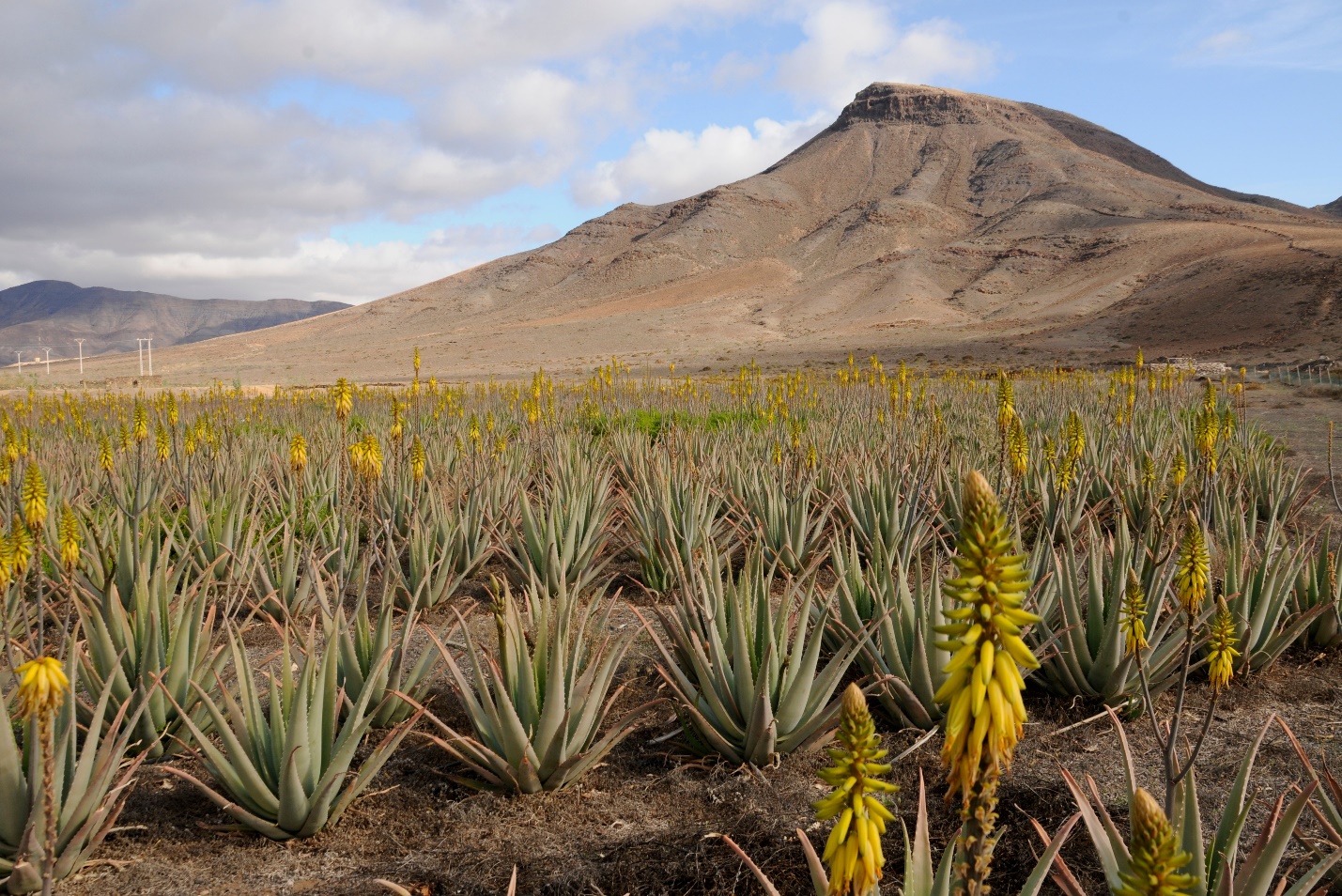
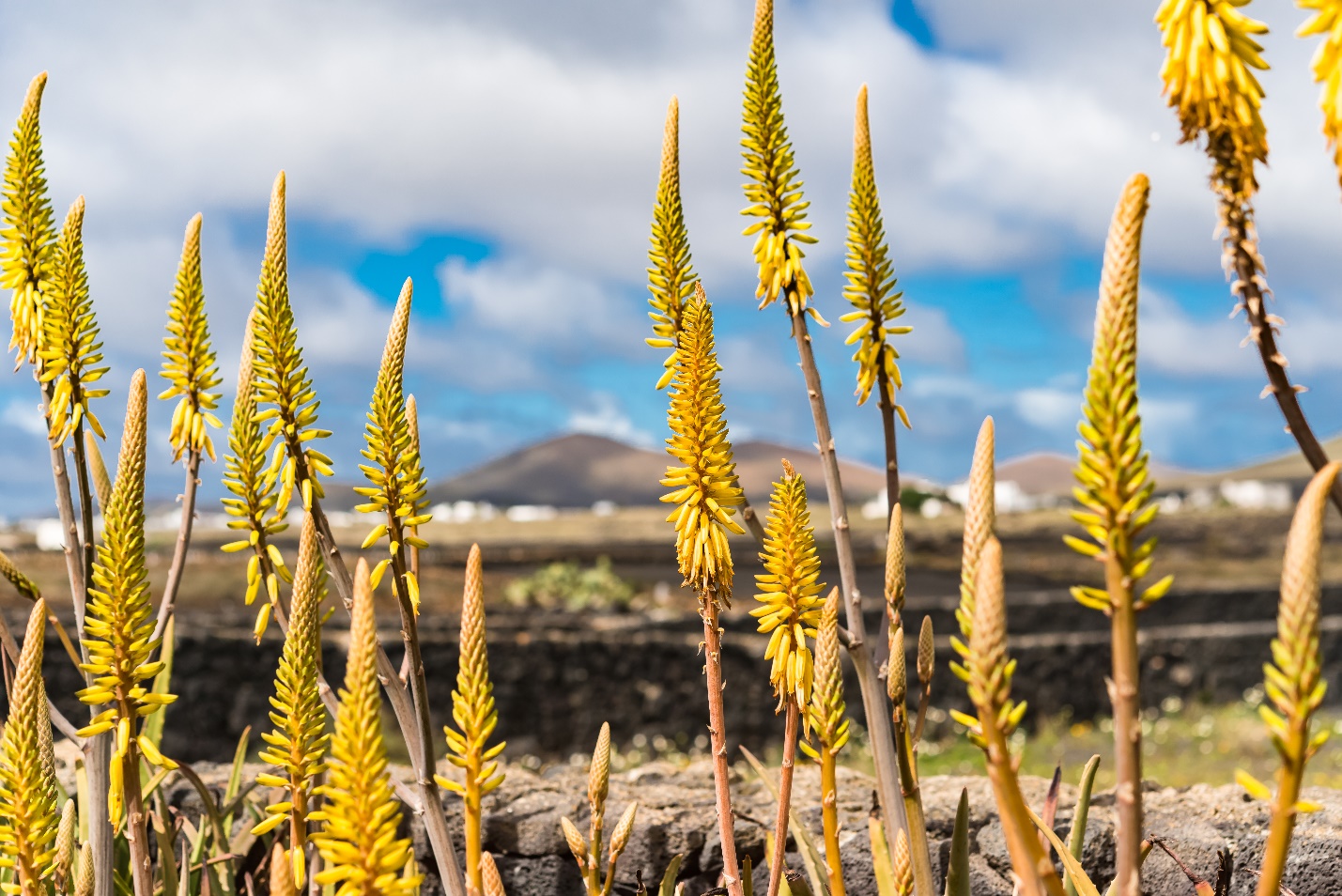
The photos of Aloe barbadensis Mill.
Aloe Blossom Health Benefits
What Are Aloe Blossom Side Effects?
There is not enough reliable information about the safety of aloe blossoms. Before using aloe vera gel and aloe flower, make sure to consult your healthcare professional if you have any of the following conditions.
1. Breastfeeding or pregnancy: Aloe vera has been linked to miscarriage, according to a report.
There may also be a chance of birth defects. If you are pregnant or lactating, do not consume aloe vera.
2. Diabetes: Aloe vera may help decrease blood sugar, according to some research. If you have diabetes and take aloe vera orally, keep a careful eye on your blood sugar levels.
3. Intestinal disorders include blockage, ulcerative colitis, or Crohn's disease: If you suffer from any of these ailments, avoid using aloe vera latex. Latex from aloe vera irritates the bowels. Keep in mind that items derived from whole aloe vera leaves will have some aloe vera latex.
4. Hemorrhoids: If you have hemorrhoids, avoid using aloe vera latex. It might exacerbate the situation. Keep in mind that items derived from whole aloe vera leaves will have some aloe vera latex.
5. Kidney issues: Excessive dosages of aloe vera latex have been connected to grave illnesses like renal failure.
6. Surgical procedures: Aloe vera may have an impact on blood sugar levels and may cause issues with blood sugar regulation both before and after surgery. Give up taking aloe vera at least two weeks prior to the planned surgery.
7. Children: When applied properly to the skin, aloe gel may be safe. When consumed orally by children, aloe latex and aloe whole leaf extracts may be harmful. Children under the age of twelve may experience diarrhea, cramps, and stomach pain. (10)
8. Long-term use: Prolonged use of oral and topical aloe vera preparations is not recommended. (11)
Generally, every person may be allergic to certain herbs and spices. This sensitivity must first be diagnosed by the person and secondarily by the physician. However, these allergic reactions do not cause chronic or acute side effects, and after identifying the allergenic plant and removing it from the diet, allergy-related complications will be eliminated. No company or product can be aware of the allergic reactions of different bodies in advance. The body's incompatibility with one or more specific herbs rarely occurs, but consumers may encounter it anyway.
Nutritional Information
Aloe flower contains
- Vitamin C
- Carotenoid
- Glutamine (the major amino acid), and four essential amino acids (phenylalanine, threonine, valine, and isoleucine).
-Saturated fatty acids and PUFAs such as omega-3 (ALA) and omega-6 (LA) (4)
Aloe Blossom Daily Dosage
At the moment, there is not enough scientific information to determine an appropriate range of doses for aloe flowers.
Bioactive Compounds
Aloe flower is an effective source of natural antioxidants. (1) The antioxidant activity in the flower is four to eight times greater than in the aloe vera leaf gel. (4)
The eleven components have been identified as coumarin, gallic acid, caffeic acid, D-catechin, vanillic acid, nariqenin, resveratrol, cinnamic acid, thymol, quercetin, and naringin, per a 2018 research conducted.Among the phenolic components investigated here, the content of vanillic acid was the highest, which might be associated with its strong antioxidant activities. (1)
According to another study in 2013, gentisic acid, epicatechin, and quercetin were the most prominent phenolic compounds of the blossoms. (12)
Best Time to Consume
1-2 hours before or after meals.
Possible Drug Interactions
We currently have no information on aloe flower interactions. Generally, drugs taken by mouth (oral drugs) may interact with aloe vera.
1. Cardiac glycosides and antiarrhythmic drugs: Chronic use of aloe vera can lead to potassium loss, which can increase the actions of cardiac glycosides and antiarrhythmic drugs.
2. Thiazide diuretics, loop diuretics, licorice, and corticosteroids: There is an increase in the possibility of potassium deficiency when aloe vera is used along with these agents. (11)
3. Antidiabetes drugs: including glimepiride, glyburide, insulin, pioglitazone, rosiglitazone, chlorpropamide, glipizide, and tolbutamide.
4-Stimulant laxatives: such as cascara, castor oil (Purge), senna (Senokot), and bisacodyl (Correctol, Dulcolax).
5. Sevoflurane and Warfarin: Taking Sevoflurane (Ultane) and Warfarin (Coumadin) by mouth (oral drugs) may interact with aloe vera. (10)
Traditional Use
The use of aloe vera as a medicinal plant is mentioned in numerous ancient texts. (13) The ancient Greeks, Romans, Chinese, and Indians used it. (14)
An aloe flower remedy is needed when the individual has overextended their energy and the immune system is low. These individuals may have lots of energy but oftentimes overdo it, resulting in exhaustion. Aloe flower essence harmonizes body and soul by balancing the stress of life. (15)
Some Questions about Aloe Blossom
References
1. https://www.tandfonline.com/doi/full/10.1080/09540105.2017.1358254
2. http://www.colegiobolivar.edu.co/garden/wp-content/uploads
3. https://www.sciencedirect.com/science/article/pii/S2214786117305181
4. https://www.ncbi.nlm.nih.gov/pmc/articles/PMC7693977/
5. https://www.researchgate.net/publication/277776879
6. https://www.researchgate.net/publication/306158974
7. https://www.researchgate.net/publication/273128163
8. https://www.thieme-connect.de/products/ejournals/abstract
9. http://www.santaverde.co.uk/ingredients/aloe-vera-blossom
10. https://www.webmd.com/vitamins/ai/ingredientmono-607/aloe
11. (2000). PDR for herbal medicines. 2nd ed. Montvale, NJ: Medical Economics Company.
12. https://www.mdpi.com/1420-3049/18/5/4942
13. https://www.researchgate.net/publication/258819693
14. https://www.researchgate.net/publication/265268175
15. http://www.powerfloweressences.com/aloe-vera-flower-essence
16. https://davesgarden.com/guides/articles/view/224
17. http://boodeviproducts.e.tradeee.com/product_view/10985752